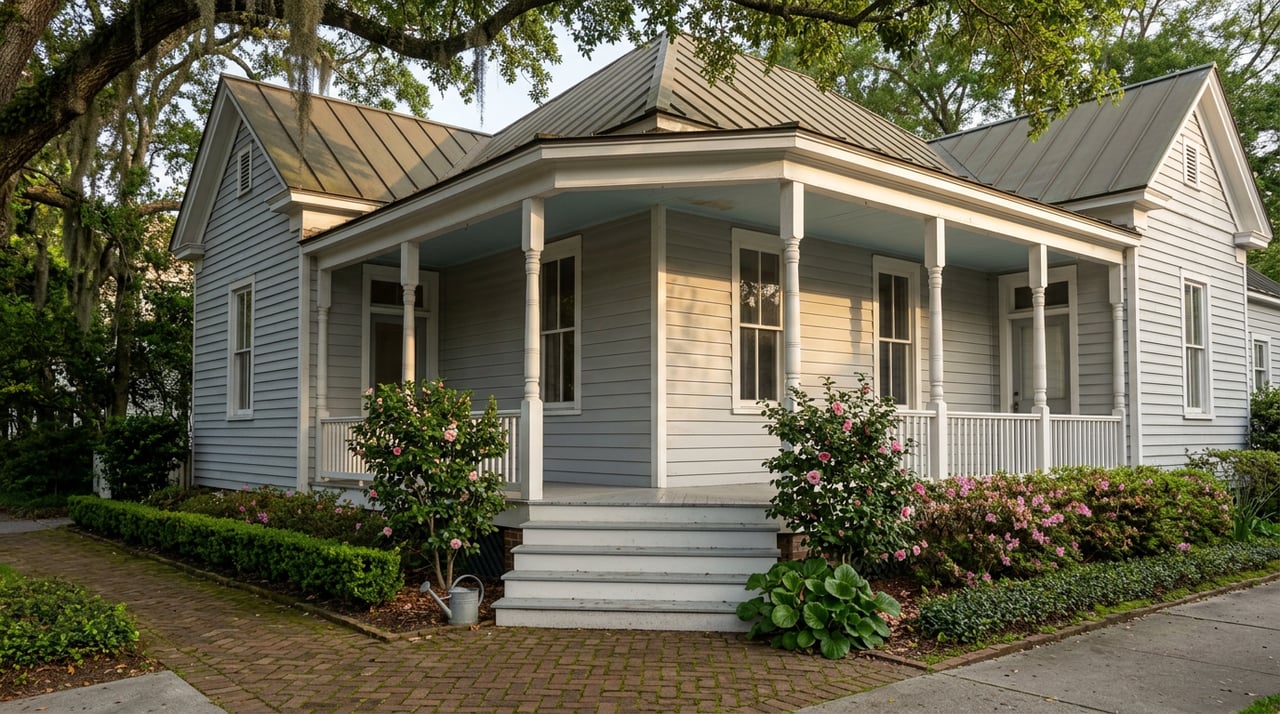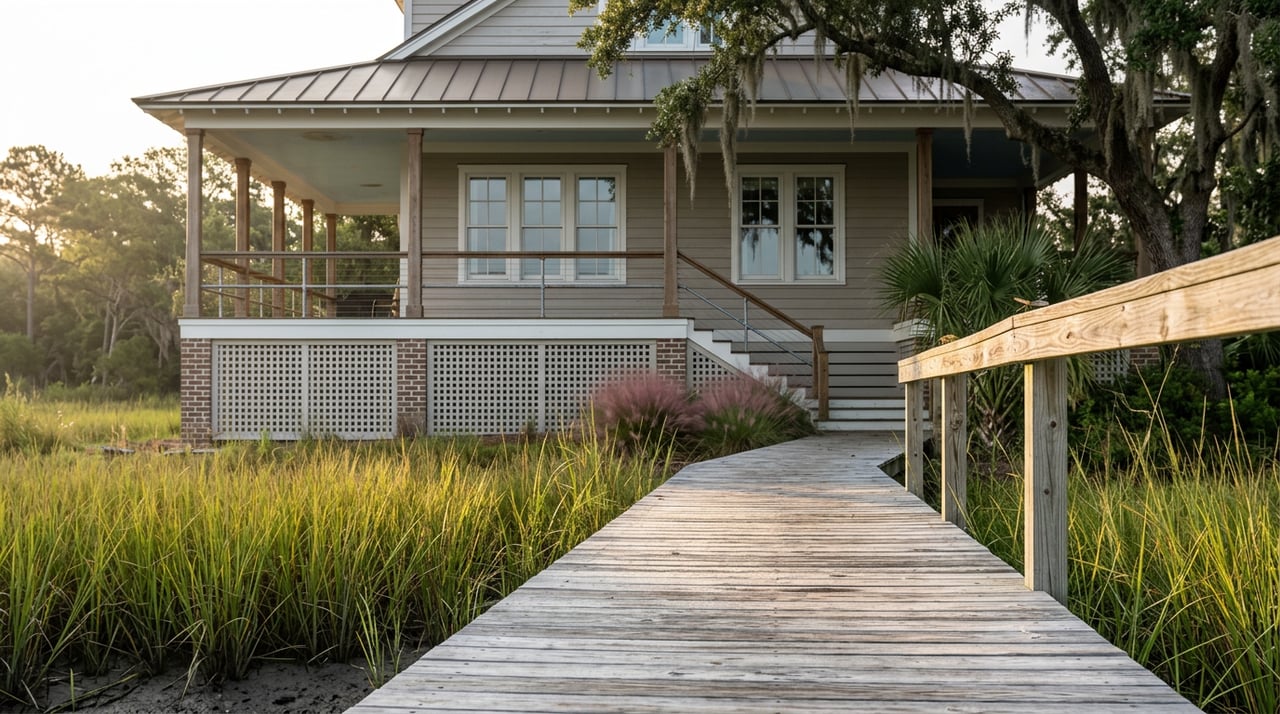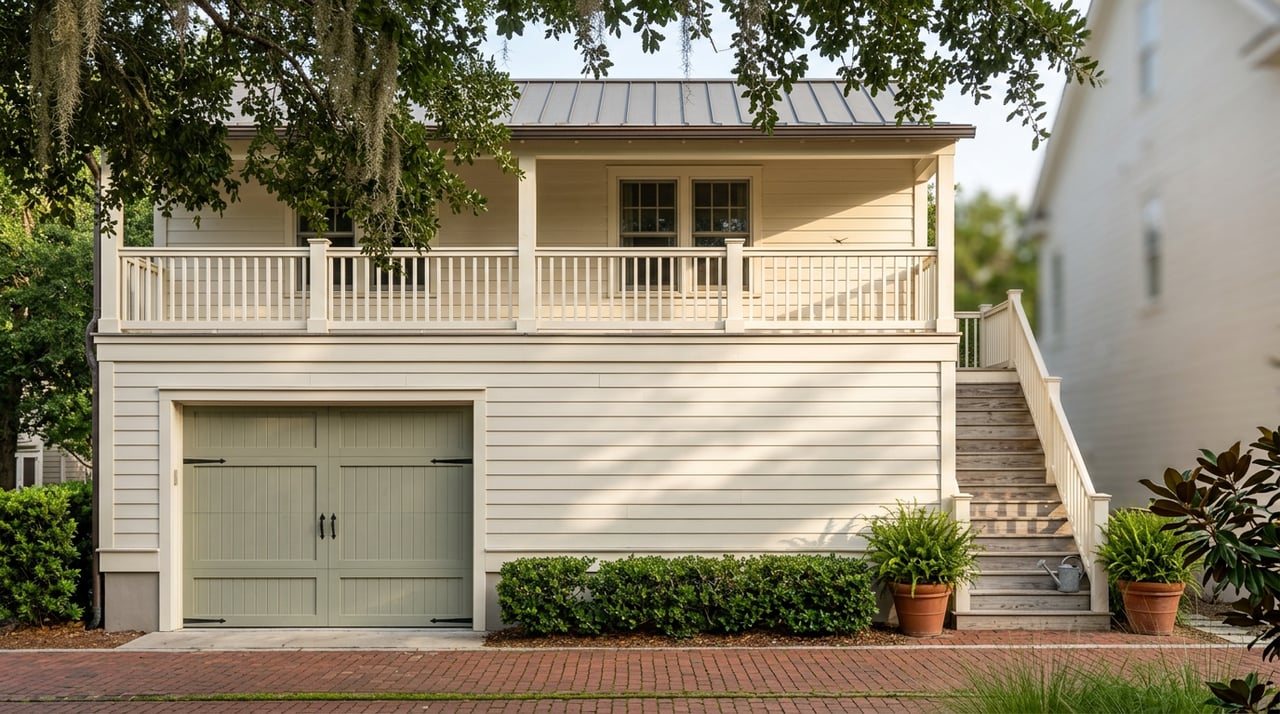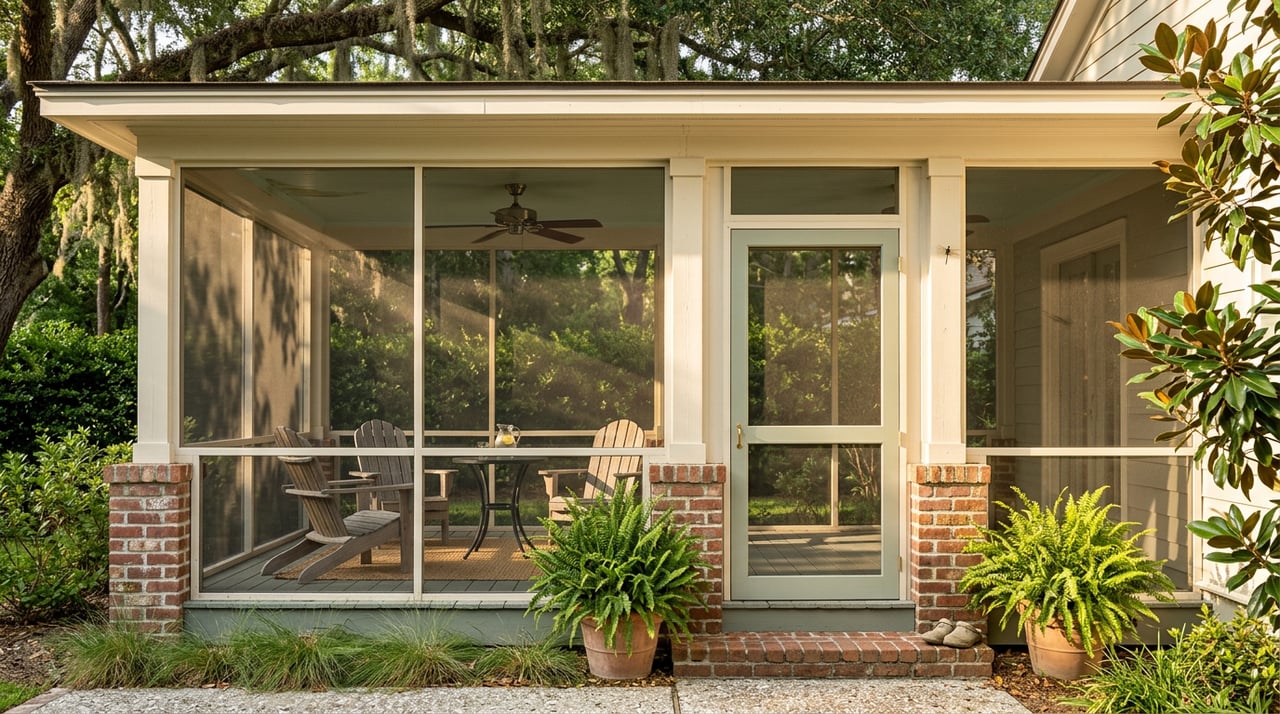
If you are dreaming about a second home on Kiawah Island, it is easy to focus on the views first. Oceanfront mornings, marsh sunsets, golf course settings, and long beach weekends all have real appeal. But before you buy, it helps to understand how ownership actually works so your home fits the way you plan to use it. Let’s dive in.
Start With Your Use Plan
The most important question is not just where on Kiawah Island you want to buy. It is how you want the home to support your life.
Some buyers want a true getaway for a few family trips each year. Others want a place for longer seasonal stays, or a property that can also support rental use when they are not in town. That use pattern should shape nearly every decision you make, from property type to neighborhood to operating costs.
Kiawah includes a range of property settings, including ocean, maritime forest, golf, marsh, and river views. You will also find single-family homes, villas, cottages, townhomes, and homesites, which means the right fit often comes down to matching lifestyle goals with the right ownership format.
Know Kiawah’s Ownership Structure
Kiawah Island is a private gated community, and daily life comes with rules and systems that buyers should understand early. According to KICA, entry through the Main Gate requires a gate pass, and island properties are subject to a mix of KICA rules, Town ordinances, ARB standards, and state and federal law.
That matters because ownership on Kiawah is not as simple as buying a house and using it however you like. In some cases, the private rules that apply to a property may be more restrictive than what buyers expect in other coastal communities.
Neighborhood Rules Can Vary
One of the biggest surprises for second-home buyers is how much neighborhood-level variation exists across the island. KICA notes that there are 31 regime neighborhoods on Kiawah, and each has its own HOA and professional management separate from KICA.
That means two homes with a similar price point can come with very different dues, maintenance expectations, landscaping standards, and neighborhood requirements. In places like The Preserve, for example, neighborhood-specific standards and assessments have historically differed from more typical Kiawah norms.
Amenities Shape Daily Living
The ownership experience on Kiawah is closely tied to the island’s amenity network. KICA maintains 19 miles of mixed-use leisure trails and 26 boardwalks, and the island also includes shopping, dining, and services at Freshfields Village.
KICA also points to five resort golf courses, the Roy Barth Tennis Center with tennis, pickleball, and padel, and the Sandcastle clubhouse as part of island life. If you expect your second home to be a place for easy recreation and low-key weekends, these features may carry just as much weight as the home itself.
Choose the Right Property Type
Not every second home needs to solve the same problem. On Kiawah, the best choice often comes down to how much maintenance, privacy, and flexibility you want.
Villas are often popular with buyers who want lower-maintenance ownership and may be considering rental use. Kiawah Island Real Estate notes that villas are a common option for homeowners interested in rental programs and easier upkeep.
Cottages offer a different experience. They can provide more privacy and no common walls, which may appeal to buyers who want a more detached residential feel without necessarily taking on the footprint of a larger single-family home.
Single-family homes may offer the most space and privacy, but they can also come with more maintenance responsibility and more property-specific design considerations. If your goal is simple lock-and-leave ownership, that tradeoff is worth thinking through before you make an offer.
Compare Neighborhood Fit Carefully
Kiawah’s market includes established areas such as West Beach, East Beach, Vanderhorst, Cassique, and Ocean Park. ARB supplemental neighborhood guidelines also identify communities including Rhett’s Bluff, The Preserve, The Settlement, Terrapin Island, Indigo Park, Summer Island and Cormorant Island, and Marsh and Club Cottages.
That list is important because neighborhood identity on Kiawah is not just about location. It also influences design rules, neighborhood expectations, and the overall ownership experience.
Ask These Questions Before You Buy
As you narrow your options, it helps to compare each home through a practical lens:
- How often will you personally use the home?
- Do you want low-maintenance ownership?
- Are you hoping to rent the property for short-term stays?
- How important are privacy and detached living?
- What are the neighborhood dues and maintenance responsibilities?
- Are there neighborhood-specific landscaping or design standards?
These questions can help you avoid buying a property that looks right on paper but feels misaligned once you own it.
Confirm Club Access Early
Club access is another major decision point on Kiawah Island. If private club amenities matter to you, do not assume they automatically transfer with every property.
Kiawah Island Club states that memberships come in Golf, Sports, and Social tiers, are limited in number, and are only available with certain purchases or through a resale property from a current member offering membership as part of the sale. In other words, membership status should be verified early in the process.
This is especially important for second-home buyers who are building their lifestyle plans around golf, club dining, or other member-based amenities. A home may check every box on location and design, but if the club component is central to your decision, you will want that confirmed before moving forward.
Budget Beyond the Purchase Price
Second-home budgeting on Kiawah should go well beyond your mortgage or cash purchase. Taxes, dues, insurance, maintenance, and any rental-related operating costs all deserve a clear review.
One of the biggest budget items to understand is South Carolina property tax treatment. Charleston County states that the 4% legal residence exemption applies only when the home you own and occupy is your primary legal residence.
For most second-home buyers, that means a Kiawah property should be modeled at non-primary-residence tax treatment. Charleston County also explains that Property Tax Relief tied to school operating millage is connected to legal-residence classification, and that the Homestead Exemption is a separate benefit for qualifying South Carolina residents who meet age or disability requirements.
Build a Real Ownership Budget
Before you close, make sure you account for:
- Purchase price
- Property taxes based on second-home status
- KICA-related costs where applicable
- HOA or regime dues
- Insurance, including flood considerations
- Landscaping and maintenance obligations
- Rental compliance costs, if you plan to lease the home
A realistic budget helps you compare properties more accurately and can prevent surprises after closing.
Understand Rental Rules Before You Count Income
Many buyers consider rental potential when shopping for a Kiawah second home. That can be a smart part of the plan, but only if you understand the operating rules first.
KICA states that owners who rent properties or host guests frequently on a short-term basis of less than 90 days must provide emergency contact numbers, reasonable storage access where practicable, backdoor trash service, copies of KICA rules and the guest guide, and rental guest passes. KICA also notes that short-term rental guests are not entitled to the Sandcastle or pool areas.
The Town of Kiawah Island also plays a direct role. KICA says owners must obtain any Town business licenses that apply, and the town’s Good Neighbor brochure states that rental properties are limited to two occupants per bedroom plus two additional occupants per dwelling unit.
Parking and Occupancy Matter
For buyers projecting rental income, occupancy and parking rules deserve close attention. KICA’s traffic and parking guidance notes that the number of vehicles allowed at an island rental is limited by the Town’s business license.
So the question is not just whether short-term rental demand exists. You also need to know whether the specific property can operate comfortably within the island’s occupancy, parking, quiet-hour, and guest-access rules.
Owner-Managed Rentals Are Possible
KICA has noted that owner-managed short-term rentals have become more common on the island alongside agency-managed models. That gives buyers some flexibility, but it does not remove the obligation to follow KICA and Town requirements.
If rental income is part of your decision, it is wise to evaluate the home as an operating asset, not just a vacation property. The details matter.
Factor In Flood and Coastal Risk
Because Kiawah is a barrier island, flood exposure should be part of every second-home conversation. This is not a fringe concern. It is a standard part of coastal due diligence.
FEMA identifies its Flood Map Service Center as the official source for flood-hazard mapping, and federally regulated or insured lenders must require flood insurance for buildings in a Special Flood Hazard Area when the loan is federally backed. FEMA also advises coastal homeowners to consider protection against coastal erosion.
Kiawah has invested in resilience as well. KICA reported in June 2025 that six flood-mitigation infrastructure projects were completed, with modeling showing improved road passability in heavy-rain and high-tide scenarios and continued drainage maintenance across the island.
That is encouraging, but it does not replace property-specific review. You will still want to confirm the flood zone, elevation context, insurance expectations, and how the property fits your comfort level as a coastal owner.
Review Renovation Limits Early
If you are considering a property that needs updates, do not treat the remodel process like a typical resale in a standard neighborhood. Exterior changes on Kiawah are subject to design oversight.
The ARB’s current standards include 2025 Designing with Nature guidelines, supplemental neighborhood guidelines for several communities, and separate requirements tied to setbacks, surveys, boardwalks, dune pruning, pervious surfaces, and graphic controls. That is a detailed framework, and it can affect both timeline and feasibility.
For buyers considering a major renovation, early due diligence is critical. A home may appear to be a great value until you learn that your desired changes require more review, different materials, or a different design approach than you expected.
A Smart Second-Home Strategy
The cleanest way to plan a second home on Kiawah Island is to move in the right order. First, match the property type and neighborhood to how you want to use the home. Then verify the taxes, dues, club status, rental rules, flood considerations, and design standards before you close.
That sequence can help you avoid common surprises on carrying costs, amenity access, insurance, renovation plans, and rental use. If you want a second home that feels easy and enjoyable from day one, the planning stage matters just as much as the purchase itself.
If you are thinking about buying on Kiawah Island, I would love to help you compare neighborhoods, property types, and ownership considerations with a clear local lens. When you are ready, Brittany Shropshier is here to help you take the next step.
FAQs
What should you review before buying a second home on Kiawah Island?
- You should review property type, neighborhood HOA or regime structure, property taxes, rental rules, flood exposure, club access, and ARB design standards before closing.
Can a second home on Kiawah Island qualify for the 4% tax rate?
- Generally no, because Charleston County says the 4% legal residence exemption applies only to your primary legal residence.
Are all Kiawah Island neighborhoods governed the same way?
- No, KICA says there are 31 regime neighborhoods on the island, each with its own HOA and professional management separate from KICA.
Can you use a Kiawah Island second home as a short-term rental?
- Potentially yes, but the property must operate within KICA rules and Town of Kiawah Island requirements, including licensing, occupancy, parking, and guest-access rules.
Do short-term rental guests get full amenity access on Kiawah Island?
- Not always. KICA states that short-term rental guests are not entitled to the Sandcastle or pool areas.
Should you confirm club membership before buying on Kiawah Island?
- Yes, because Kiawah Island Club memberships are limited and only available with certain purchases or through qualifying resale situations.
Why does flood due diligence matter for a Kiawah Island home purchase?
- Kiawah is a barrier island, so buyers should confirm flood-hazard mapping, insurance expectations, and property-specific exposure as part of the purchase process.
Can you renovate any Kiawah Island home however you want?
- No, exterior changes and some site-related improvements are subject to ARB standards and, in some cases, supplemental neighborhood guidelines.