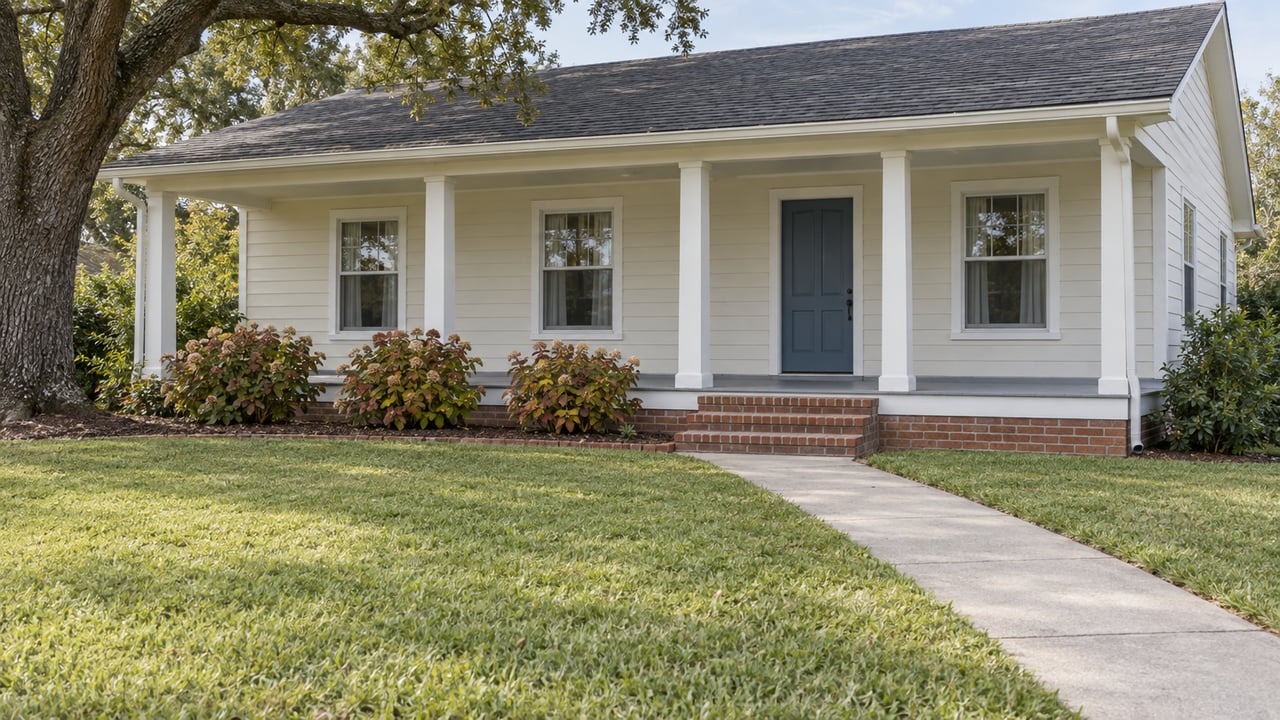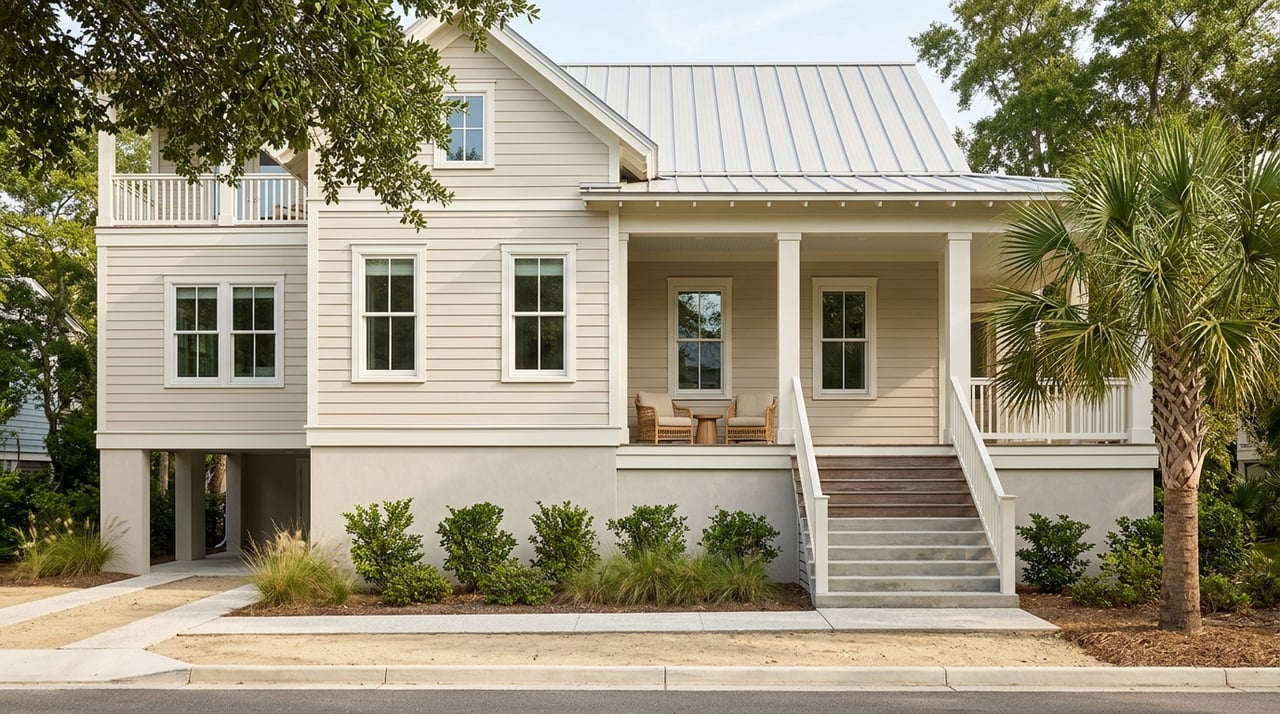
Thinking about selling your vacation home on Isle of Palms? This is not your average home sale. On a barrier island known for beach access, seasonal visitors, and second-home ownership, your pricing, timing, marketing, and rental details can all affect the outcome. If you want to sell with fewer surprises and a clearer plan, this guide will walk you through what matters most on Isle of Palms. Let’s dive in.
Why Isle of Palms sales are different
Selling a vacation home on Isle of Palms is different from selling a primary home in a typical neighborhood. The city describes Isle of Palms as a long-standing beach destination with seven miles of beaches and a Front Beach commercial district, and its tourism planning materials note that travel and hospitality are central to the island’s identity and economy.
That matters because buyers are often evaluating more than the house itself. They may also be looking closely at beach access, parking, ease of arrival, rental use, and how the property fits into a seasonal coastal lifestyle. On Isle of Palms, those details can shape value just as much as square footage or finishes.
The local market also supports a more thoughtful approach. In June 2026, Realtor.com reported a median listing price around $2.8 million, with 113 homes for sale, a median of 60 days on market, and homes selling at about 97% of list price on average. Redfin’s May 2026 data showed a median sale price of $1,818,911 and a median of 67 days on market.
Those numbers are a good reminder that list prices and closed prices are not always the same. If you want to attract the right buyers without leaving money on the table, pricing needs to reflect recent closings and the specific features buyers care about on the island.
Price from closings, not just listings
One of the biggest mistakes vacation-home sellers make is anchoring to active listings alone. On Isle of Palms, where inventory can include a wide mix of condos, second homes, and high-value coastal properties, asking prices do not always tell the full story.
A strong pricing strategy should start with recent sold comparables. That means looking at what buyers have actually paid for similar homes, then adjusting for factors that matter in a resort market.
Key value drivers buyers compare
On Isle of Palms, buyers often compare homes based on:
- Beach access
- Parking availability
- Property condition
- HOA or condo rules
- Whether the property can be used as a rental
A home with similar square footage may command a different result if it offers easier beach access, better parking, or fewer usage restrictions. For many buyers, convenience and flexibility are part of the value equation.
Time your listing around the island calendar
Timing matters in any market, but it matters even more in a destination beach market. On Isle of Palms, the busiest periods often bring the highest visibility, but they can also bring more traffic, parking pressure, and scheduling challenges.
The city’s tourism planning documents identify Memorial Day and July 4th as periods when traffic gridlock can occur. The city’s seasonal beach shuttle also runs from Memorial Day weekend through Labor Day, which reflects the island’s busy summer pattern.
If your goal is to capture strong beach-season interest while limiting disruption, it can help to prepare your home well before late summer. NOAA notes that Atlantic hurricane season runs from June 1 to November 30 and typically peaks around September 10, so weather risk is another reason to think carefully about your launch window.
A practical timing approach
Many sellers benefit from this sequence:
- Prepare photos, staging, disclosures, and rental records early.
- Choose a listing window before peak weather risk if possible.
- Coordinate showings around guest stays and turnover days.
- Avoid waiting until the last minute to sort out future bookings.
Good timing does not mean there is only one right month to sell. It means entering the market when your home is ready, your showing plan is realistic, and your paperwork is already in order.
Handle guest occupancy before it becomes a problem
If your vacation home is still used as a short-term rental, occupancy planning is one of the most important parts of your sale. You do not want interest from buyers to collide with a full booking calendar and limited showing access.
On Isle of Palms, short-term rental owners must have a business license. The city also requires a 24/7 contact number, on-site response capability within one hour, and written notices posted in the residence. For an active vacation rental, that means local coordination is often essential.
Why showings need a clear system
When guests are coming and going, every showing takes more planning. Cleanliness, access, lockbox logistics, and communication all matter more when the property is not sitting vacant.
If you are selling a rented vacation home, it helps to create a clean showing strategy that covers:
- Guest turnover windows
- Housekeeping timing
- Photography days
- Inspection access
- Backup local contact support
This kind of planning reduces friction and helps your listing present well, even during an active rental period.
Build marketing for remote buyers
Because Isle of Palms is a destination market, many buyers may start their search from outside the immediate area. Some will narrow down options online before they ever step onto the island.
That makes digital presentation especially important. Your listing needs to answer practical questions quickly and clearly so buyers can understand the opportunity before they schedule a visit.
What buyers want to see upfront
For a vacation home on Isle of Palms, strong marketing should clearly show:
- Exterior photos that capture approach, setting, and curb appeal
- Interior photos that accurately reflect condition and layout
- Floor plans
- Clear room counts
- Parking details
- Beach access notes
- Rental-use information
- HOA or condo restrictions, if applicable
In a coastal market, polished visuals are important, but clarity matters just as much. Buyers need to know how the property works, not just how it looks.
Get your disclosures ready early
South Carolina has specific disclosure rules that matter when you sell a residential property. Under the state’s Residential Property Condition Disclosure Act, a completed and signed disclosure statement is required for covered residential sales before a real estate contract is formed.
For vacation-home sellers, this is especially important because the state disclosure form specifically asks whether the property is subject to vacation or short-term rental use and whether a rental or lease contract will still be in place at closing.
What to review before listing
Before your home goes live, it is smart to gather and review:
- Your property condition disclosure statement
- Any vacation-rental or rental-management contracts
- Details about future bookings
- Records tied to short-term rental use
- Any known material issues that may need updating
The buyer still has an independent duty to inspect, but complete and timely disclosure can help reduce contract delays and last-minute confusion.
Plan ahead for future bookings
If you have reservations on the calendar, do not wait until you are under contract to deal with them. South Carolina law says a buyer takes title subject to vacation-rental agreements for rental periods beginning no later than 90 days after recording, and the seller must disclose future rental periods before the sale is ratified.
That can affect closing strategy in a very real way. A buyer may be comfortable honoring upcoming stays, or they may want to structure timing around them, but either way, everyone needs that information early.
Questions to answer now
If your property has active bookings, ask yourself:
- Which reservations fall near the expected closing date?
- Which bookings begin within 90 days after recording?
- Are management agreements still in place?
- What needs to be disclosed before ratification?
Sorting this out early can make negotiations smoother and help you avoid avoidable surprises later in the process.
Check local rental compliance details
If your Isle of Palms vacation home has been used as a short-term rental, local requirements should be reviewed before you list. The city states that owners must obtain a short-term rental business license, and it posts maximum overnight occupancy rules, parking-permit limits, and rental-license fees.
The city also notes that short-term rental licenses are due by April 30, are based on gross rental income, and that residential rentals of 30 days or less carry a combined 14% tax burden that includes state, county, city accommodations tax, and a beach preservation fee.
These details may not stop a sale, but they can matter to a buyer who is evaluating future use. Clear, organized information helps buyers understand what comes with ownership and can strengthen confidence in the transaction.
Stay on top of condition updates
Vacation homes can sit empty between guest stays, which makes small issues easier to miss. If a new material issue comes up after your disclosure is completed, South Carolina law requires you to promptly correct the inaccuracy or make reasonable repairs before closing.
This is one reason local oversight matters. Regular property check-ins can help catch problems before they become contract issues, especially if the home is vacant for stretches of time.
A simple condition-update plan may include:
- Periodic walk-throughs
- Monitoring after storms
- Quick review after guest departures
- Prompt communication if something changes
That extra attention can protect your timeline and help keep your sale moving forward.
Sell with a clear island strategy
Selling a vacation home on Isle of Palms takes more than putting a sign in the yard. You need pricing based on recent closings, marketing that speaks to remote and lifestyle-driven buyers, and a plan for showings, disclosures, and bookings.
That is where a hospitality-first, organized approach can make a real difference. When your sale is handled with strong communication, polished presentation, and attention to local details, you are in a much better position to move forward with confidence.
If you’re thinking about selling your vacation home on Isle of Palms, I’d love to help you build a strategy that fits your goals and timeline. Brittany Shropshier is here to guide you with local insight, thoughtful service, and a smooth plan from start to finish.
FAQs
What makes selling a vacation home on Isle of Palms different from a primary home sale?
- Isle of Palms is a destination beach market, so buyers often weigh beach access, parking, rental use, condition, and seasonal logistics alongside the home itself.
How should you price a vacation home on Isle of Palms?
- You should base pricing on recent sold comparables and adjust for factors like access, parking, condition, HOA or condo rules, and rental-use flexibility rather than relying only on active listings.
When is the best time to sell a vacation home on Isle of Palms?
- A strong listing window often means being fully prepared before late summer, since peak visitor periods can create traffic challenges and Atlantic hurricane season peaks around September 10.
What should you do if your Isle of Palms home has future rental bookings?
- You should review reservations early, disclose future rental periods before ratification, and understand that certain vacation-rental agreements may remain in place after closing under South Carolina law.
What disclosures matter when selling a short-term rental on Isle of Palms?
- South Carolina’s disclosure form asks whether the property is used for vacation or short-term rental and whether a rental or lease contract will be in place at closing, so those details should be prepared before listing.
What local short-term rental rules should Isle of Palms sellers review?
- Sellers should review business license status, occupancy limits, parking-permit limits, posted operational requirements, and other city rules tied to short-term rental use before going to market.