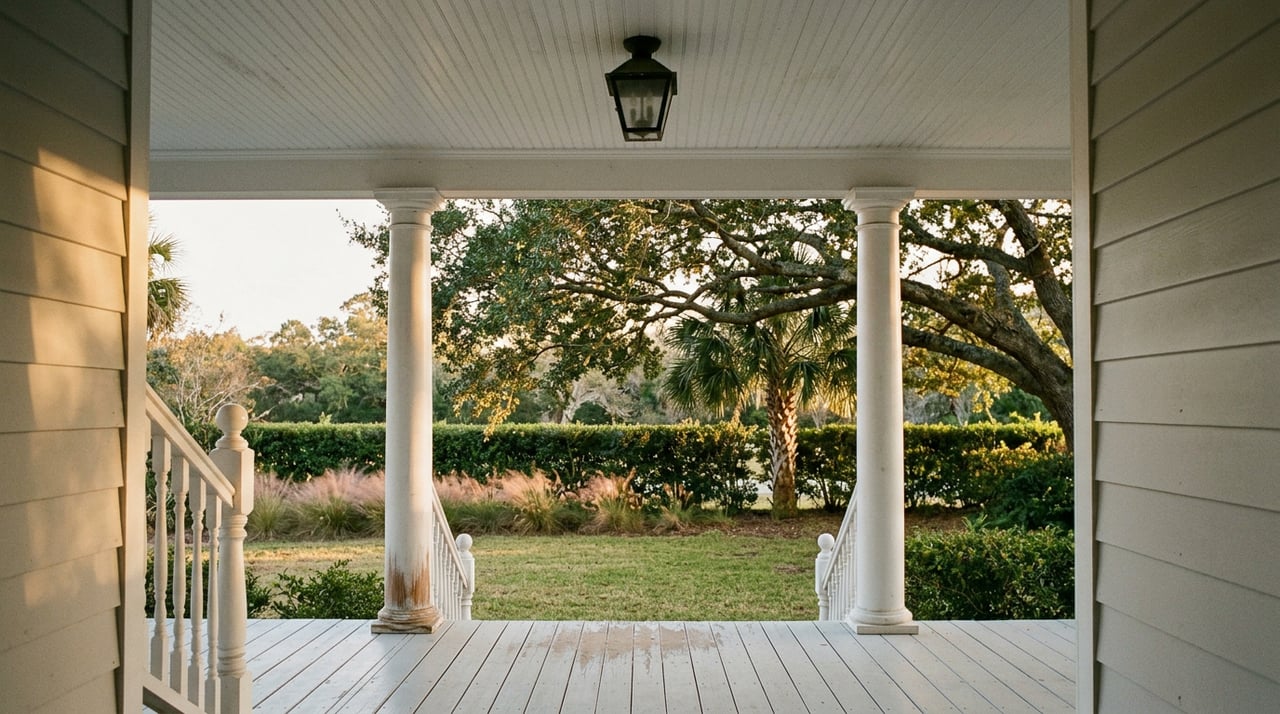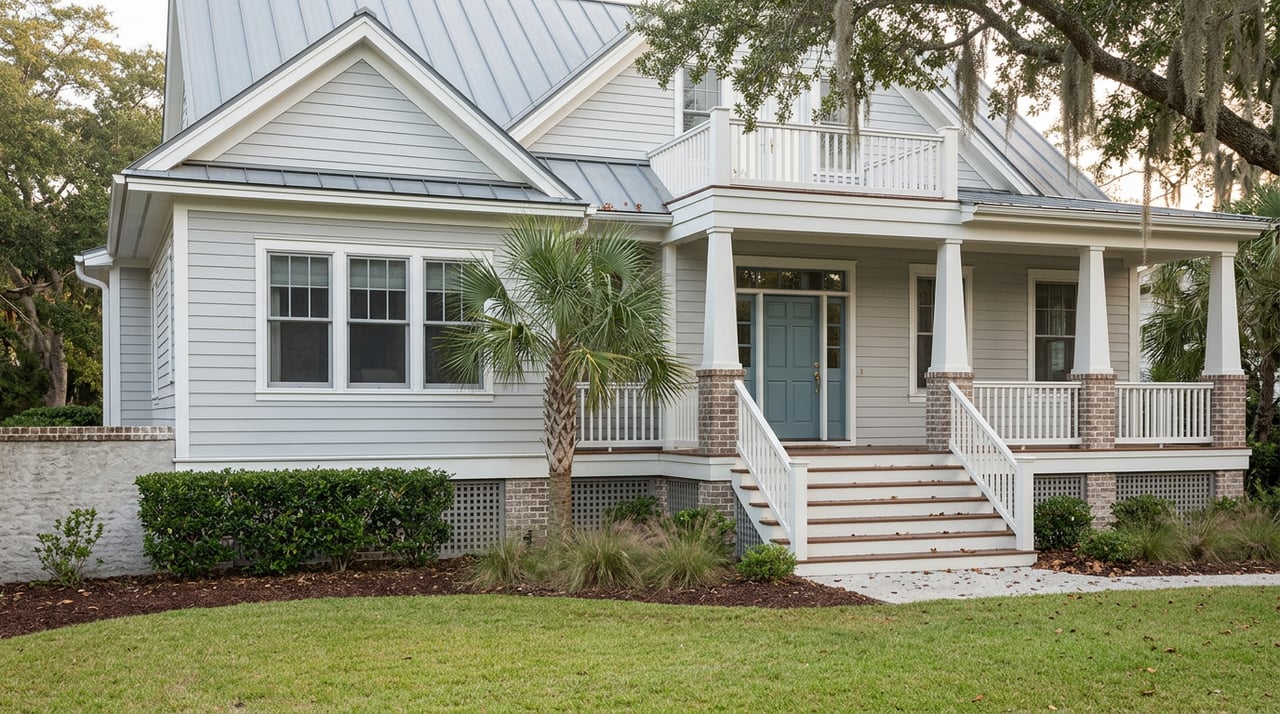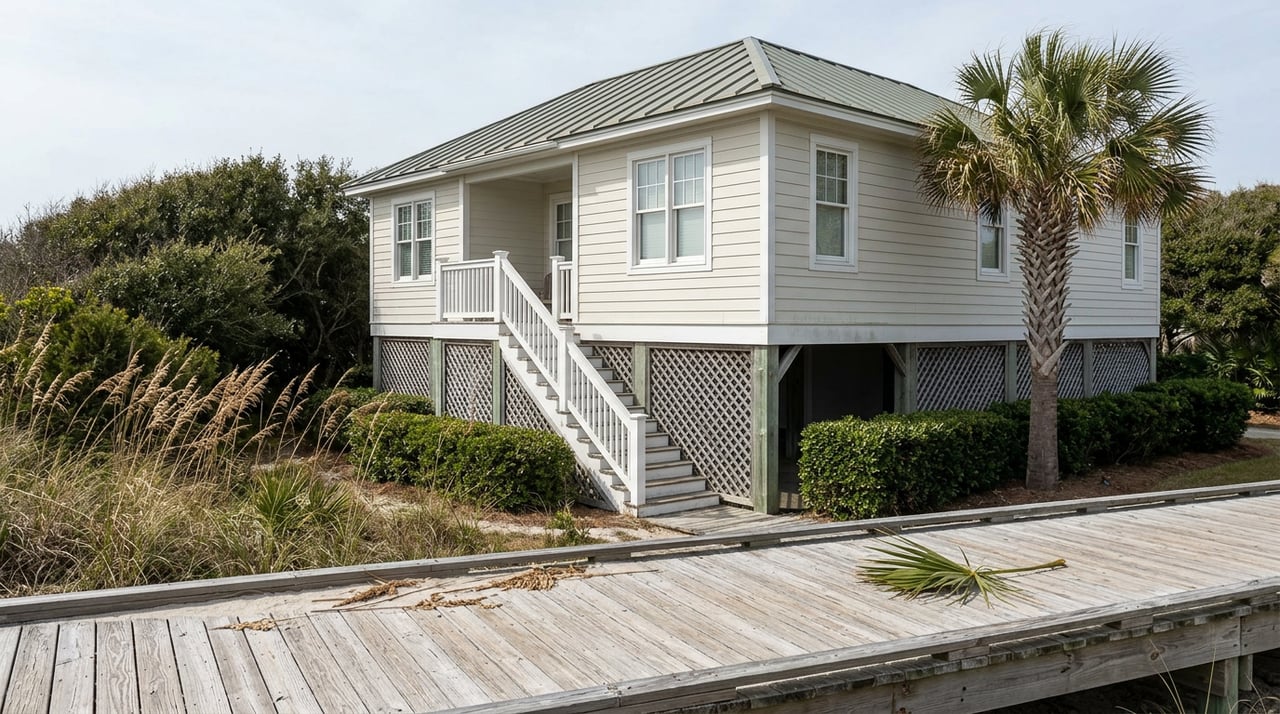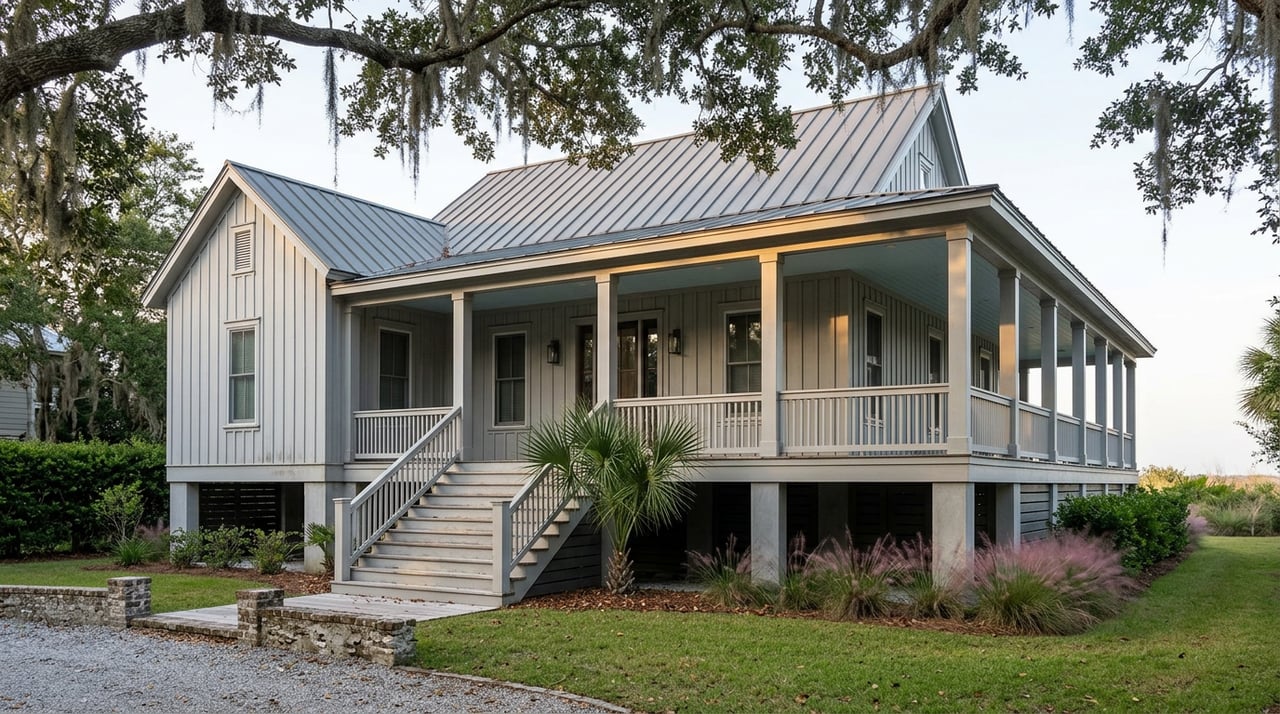
You are standing in a raised cottage off Ocean Course Lane, and the listing sheet in your hand shows a rental history that would make any spreadsheet person's pulse tick up. Six figures a year, steady bookings from May through October, a manager already lined up. It reads like the property is selling you the income along with the walls and the roof.
It isn't. On Kiawah Island, the thing that produces that income, the short-term rental license, belongs to the current owner, not the deed. When the sale closes, the license usually stays behind.
The One Sentence That Changes the Math
Kiawah's short-term rental ordinance took effect January 1, 2020, and it settled a question that matters more now than it did then: what happens to a rental license when the house changes hands? According to reporting in the Post and Courier at the time the rules were adopted, licenses transfer with a sale only when the sale happens within a family. Every other buyer has to apply as a new owner and requalify from scratch.
That single distinction turns a straightforward purchase into a two-part transaction. You are buying the house from the seller. Separately, and with no guarantee of success, you are applying to the Town of Kiawah Island for the right to do what the seller was doing with it.
A Pool That Has Been Shrinking for Years
The town caps licenses in certain residential zones and hands them out first come, first served. The size of that remaining pool is public, and it has been getting smaller.
In November 2022, the town's own count put 138 licenses still available in the capped areas. By April 2025, that number had fallen to 93. By the town's most recent published tally, dated December 31, 2025, only 88 remained, which the town's short-term rental page describes as 17 percent of the total licenses available in those capped zones. The same page notes that 1,387 short-term rental licenses had been issued that year across the island.
Run the arithmetic and the trend is not subtle. The available pool in the capped zones dropped by more than a third in three years, and nothing in the town's own reporting suggests that pace is slowing. If you are counting on a license being available when your closing date arrives, you are betting against a line that has moved in one direction for three straight readings.
Three Zones, Three Very Different Odds
Not every address on Kiawah faces the same odds, because the town does not regulate the whole island the same way. When the ordinance was finalized, the Post and Courier reported that the town split its residential areas into zones with different caps: one zone limited to 20 percent of dwellings holding a rental license, a second zone allowed up to 40 percent, and a third zone, covering the area around Kiawah Island Golf Resort and its Sanctuary Hotel, carrying no cap at all.
| Zone type | Rental license cap | What it means for a buyer |
|---|---|---|
| Tightest residential zone | Around 20% of dwellings | Highest odds the pool is already full |
| Broader residential zone | Around 40% of dwellings | Better odds, still first come, first served |
| Resort area near the Sanctuary | No cap | License availability is not the constraint |
Two homes a few streets apart can sit in different zones with completely different odds of you actually getting a license. The zoning designation, not the price point or the square footage, is what decides whether you are entering a waiting pool or walking into an open door.
What Reapplying Actually Involves
Assume for a moment the license is available. Getting it still takes real steps, and each one has a cost or a deadline attached.
The property must pass inspection for conformance to building codes before a license is issued, according to the town's ordinance summary. The annual application fee is $500 for a property in one of the capped zoning districts and $200 everywhere else. Licenses expire every April 30 and must be renewed by that date to stay in good standing. The town also requires the property to be rented in its entirety, meaning you cannot license out a guest cottage or a portion of the home as a separate unit, and maximum occupancy is set at two occupants per code-compliant bedroom.
None of this is unusual for a coastal rental market. What is unusual is how it stacks on top of the transfer question. You are not just budgeting for an inspection and a fee. You are budgeting for the possibility that even a passed inspection and a paid fee do not guarantee a license if the capped pool in your zone has already hit its limit.
The Tax Classification Nobody Mentions at the Open House
There is a second layer that has nothing to do with the rental license itself and everything to do with how the county sees the house. South Carolina assesses owner-occupied primary residences at a lower ratio than secondary or non-owner-occupied homes, and the town's own guidance notes that whether a Kiawah property qualifies for the 4 percent primary-residence assessment or the 6 percent secondary-residence assessment depends partly on how many days a year it gets rented out.
That means a decision to run the home as a short-term rental can shift how the property is taxed, independent of whatever happens with the rental license application. It is a separate mechanism working in parallel, and it is easy to miss when your attention is on inspections and license caps.
The Workaround That Actually Works
If the license math does not favor you, there is a simpler path that sidesteps the entire capped-zone question. Kiawah's ordinance draws a hard line at 30 days. Rent a property for 30 consecutive days or longer, and it falls under a standard long-term lease rather than the short-term rental program, meaning it does not require the same license, does not compete for a spot in the capped pool, and is not subject to the April 30 renewal cycle.
The tradeoff is obvious. A long-term lease will not command the nightly rates a peak-season short-term booking does. But it is a real option for a buyer who wants rental income without gambling on license availability in a zone where the numbers are already tight.
Before You Write the Offer
A few questions are worth answering before you go under contract on a Kiawah property with rental income built into your plan:
- What zoning district is the property actually in, and is that district capped?
- Is a license currently available in that district, or is the pool already at its limit?
- Has the current owner's license history included any violations that could affect a fresh application?
- Does the homeowner regime or architectural review board layer on additional restrictions beyond the town's rules?
- Would a 30-day-or-longer lease structure meet your income goals if the short-term license does not come through?
None of these questions show up in the listing photos. All of them determine whether the number on the seller's rental statement is a number you can actually earn.
FAQ
If I inherit a Kiawah rental property from a family member, does the license transfer? The family exception in the 2020 ordinance applies to sales within a family, based on the town's own reporting when the rule was adopted. Any other change of ownership requires a new application.
Does a license ever become available again once the capped pool is full? Licenses can open up when an existing license lapses or is revoked, and the town's site notes existing holders get first preference to renew as long as they are in good standing. Availability moves, but it moves slowly, and the recent trend has been downward.
Can I just rent the property for 14 days a year and skip the license question entirely? A property rented 14 days or fewer total in a calendar year is not considered a short-term rental under the ordinance and falls outside the licensing requirement, according to the town's own classification rules. That is a real option if your income goals are modest, but it will not replicate a full-season rental business.
If you are weighing a Kiawah Island purchase against a rental pro forma, the numbers on paper are only half the picture. The other half lives in a zoning map and a licensing count that most listings never mention. I would rather walk you through both before you write an offer than have you find out about either one after closing.
Brittany Shropshier works Kiawah Island and the rest of the Greater Charleston coast every day, and knows exactly which questions to ask a seller's agent before your due diligence clock starts. Let's Connect.