Wondering if Mount Pleasant checks the right boxes for your next move? If you want a place that blends coastal access, everyday convenience, and a strong suburban feel, it is easy to see why so many buyers put this town on their shortlist. The bigger question is whether its layout, traffic patterns, and housing mix fit your daily life. Let’s dive in.
Why Mount Pleasant Draws Buyers
Mount Pleasant offers a coastal-suburban base with easy connections to downtown Charleston and nearby beaches. That balance is a big reason many relocators, growing households, and second-home buyers take a close look here.
You also get a town with established retail, recreation, public amenities, and major road access. In practical terms, that means your day-to-day life can feel convenient even if your weekends lean toward the water, trails, or Charleston dining and events.
How Mount Pleasant Is Laid Out
One of the best ways to understand Mount Pleasant is by its main corridors. The town does not feel the same from one area to the next, so location inside Mount Pleasant matters just as much as the town itself.
Coleman Boulevard and Patriots Point
This corridor is one of the most recognizable parts of Mount Pleasant. It connects the town toward Sullivan’s Island by way of SC 703, which includes Coleman Boulevard and Ben Sawyer Boulevard, and it also sits near the base of the Arthur Ravenel Jr. Bridge.
If you want easier access to downtown Charleston, harbor-oriented areas, and established parts of town, this corridor often stands out. It also places you closer to some of Mount Pleasant’s older residential pockets and long-known local landmarks.
Long Point Road and I-526
If convenience is high on your list, this area deserves attention. Long Point Road and the I-526 connection are central to errands, shopping, and everyday access.
Belle Hall describes itself as an open-air shopping and dining destination with easy access to Long Point Road and I-526. The town is also investing in safety and trail improvements along Long Point Road and at the I-526 interchange, which shows how important this corridor is to daily movement.
Highway 41, Park West, and Carolina Park
The north side of Mount Pleasant reflects more recent growth. Highway 41 connects US 17 to Mount Pleasant communities and I-526, and the town continues to invest in projects here.
Current work includes Park West widening, a Park West roundabout, Carolina Park trail improvements, and recreation investment in Carolina Park. If you are looking for a newer-area feel with expanding infrastructure and amenities, this part of town may be worth a closer look.
What Housing Feels Like Here
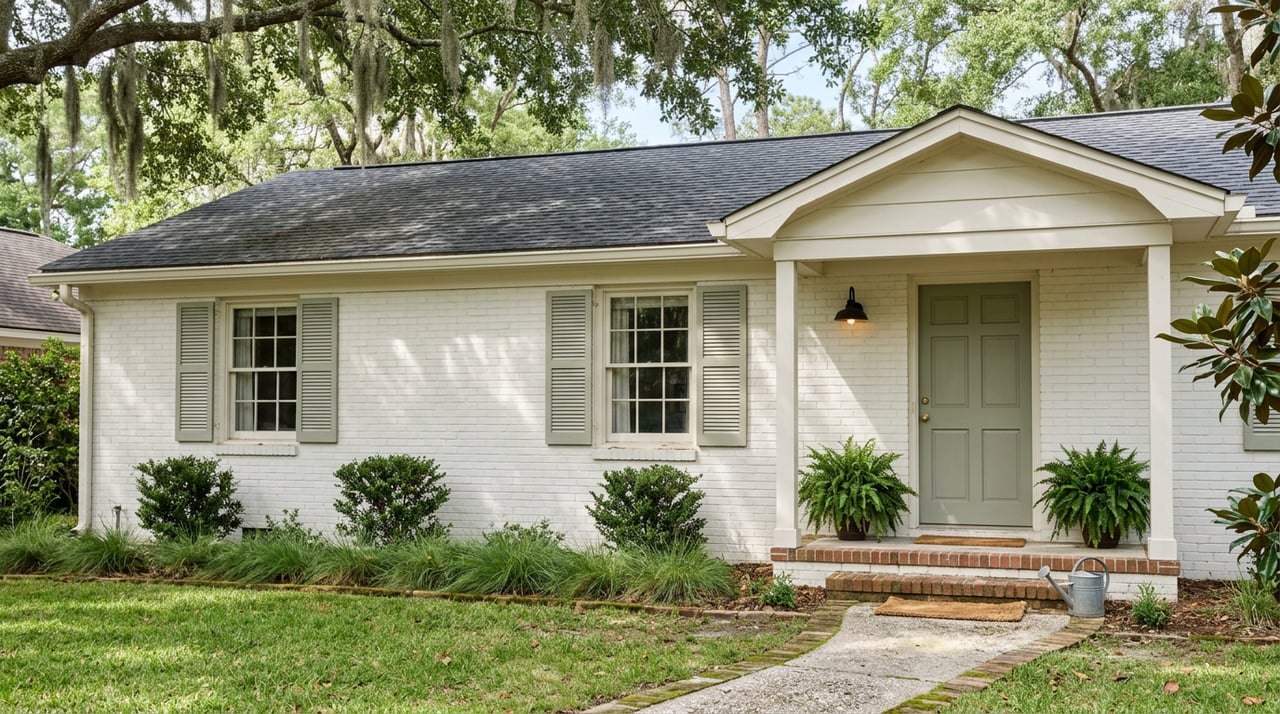
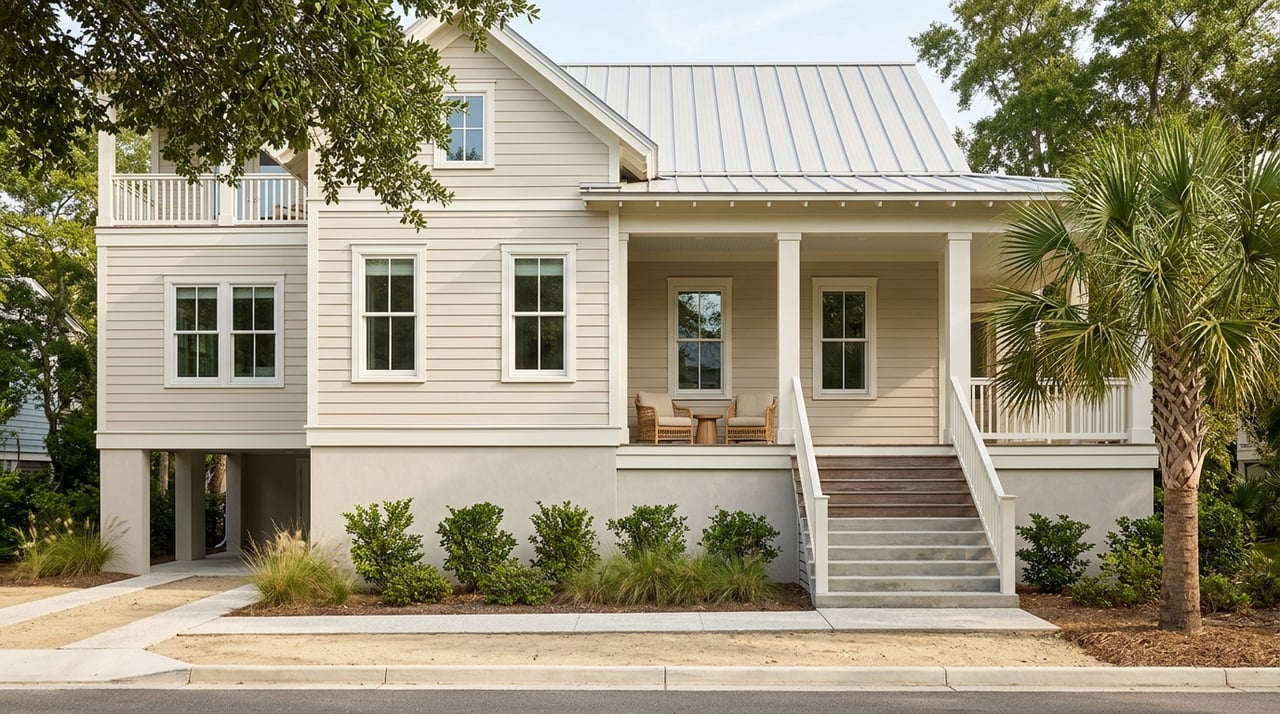
Mount Pleasant is not a one-style housing market. Instead, the feel often changes based on age, setting, and proximity to water, shopping, and major roads.
Old Village character
The Old Village Historic District is the clearest example of Mount Pleasant’s historic side. According to the town, the district covers 37 blocks and centers on some of the oldest streets near Shem Creek and Charleston Harbor.
It remains a quiet residential area with both small and large houses, harbor views, and strong architectural preservation. If you are drawn to historic character and a more established setting, Old Village offers a distinct part of the Mount Pleasant story.
Broader housing patterns
Outside Old Village, buyers will usually notice a mix of older low-density neighborhoods closer to the harbor and Shem Creek, newer master-planned suburban areas to the north, and lower-maintenance options that often cluster nearer retail and mixed-use corridors. That pattern reflects the town’s planning and development structure.
For you, that means Mount Pleasant can appeal to different goals. You may prefer an established area with mature surroundings, a newer community with recreation nearby, or a more low-maintenance home close to shopping and access points.
Everyday Life in Mount Pleasant
A move is not just about the house. It is also about how easy life feels once you live there.
Mount Pleasant performs well when it comes to daily errands and practical services. Mount Pleasant Towne Centre sits at I-526 and Highway 17, Belle Hall adds another strong shopping and dining hub, the Mt. Pleasant Library reopened in 2022 with upgraded public spaces, and East Cooper Medical Center serves as the town’s major hospital campus.
That hospital campus includes emergency, maternity, orthopedics, spine care, and other services. For many buyers, having these basics close by is a major plus because it supports both convenience and peace of mind.
Recreation Is a Real Strength
If outdoor access matters to you, Mount Pleasant has a lot to offer. The town has built an extensive recreation and trail network compared with many suburban markets.
Mount Pleasant Way is designed to connect parks, recreation facilities, neighborhoods, and commercial areas. Current project segments include Patriots Point, Long Point, Mathis Ferry, Park Avenue, Carolina Park, and Rifle Range.
Mount Pleasant Recreation also operates from Park West, the R.L. Jones Center, and the G.M. Darby Building. On top of that, Memorial Waterfront Park opened Phase 3 in June 2025, adding to the town’s recreation appeal.
For buyers who want access to trails, parks, and waterfront-oriented public spaces, this is one of Mount Pleasant’s strongest lifestyle advantages.
Beach and Downtown Access
Mount Pleasant often appeals to people who want to stay connected to both Charleston and the coast. That is a big part of its identity.
You can reach Sullivan’s Island from Mount Pleasant via Coleman Boulevard and the Ben Sawyer Bridge. Isle of Palms is accessed across Breach Inlet on Jasper Boulevard, giving you practical routes to popular beach destinations.
If your ideal lifestyle includes weekday convenience and easier beach access on free days, Mount Pleasant can be a compelling fit. It gives you a base that sits between suburban routines and coastal recreation.
The Tradeoff: Traffic
Every popular location has tradeoffs, and in Mount Pleasant, traffic is one of the biggest ones to understand upfront. The same roads that connect you to beaches, downtown Charleston, shopping, and recreation also carry a lot of demand.
The Town of Sullivan’s Island notes that spring and summer weekend beach trips are routinely affected by congestion, especially on Coleman Boulevard and Rifle Range Road. The town’s traffic FAQ also identifies US 17 and Coleman Boulevard as major corridors with the highest accident counts.
Mount Pleasant uses adaptive signal timing to help traffic move more efficiently, but you should still expect regular congestion on key routes. If you value access and convenience more than a quiet, low-traffic daily drive, this may feel like a manageable tradeoff. If traffic is one of your biggest stressors, it is worth weighing carefully.
Who Mount Pleasant Fits Best
Mount Pleasant tends to work well for buyers who want a suburban base with strong amenities and easy access to both downtown Charleston and the beaches. It often stands out for relocators who want guidance on area differences, as well as buyers looking for a range of housing settings within one town.
It can also be a smart fit if you care about recreation, shopping access, hospital access, and a lifestyle that keeps coastal destinations within reach. The mix of older areas, newer communities, and corridor-based convenience gives you several ways to live here.
On the other hand, if you want a fully urban, walk-everywhere experience, or if you strongly prefer a slower daily traffic pattern, Mount Pleasant may not be your best match. In that case, it helps to compare it with other Charleston-area options based on your commute, lifestyle, and home goals.
How to Decide With Confidence
The key is to match the town to your real routine, not just your wishlist. Think about where you need to go most often, how much value you place on beach access, whether trails and recreation matter to you, and what kind of neighborhood setting feels right.
I always encourage buyers to look at Mount Pleasant by corridor, not just by zip code. A home near Coleman Boulevard can feel very different from one near Long Point Road or farther north near Park West and Carolina Park.
If you are relocating or narrowing your Charleston-area search, having that neighborhood-level context can save you time and help you make a more confident move. If you want help comparing Mount Pleasant with other Lowcountry options, I’d love to help you sort through the pros, tradeoffs, and best-fit areas. Brittany Shropshier is here when you’re ready to connect.
FAQs
Is Mount Pleasant a good place to live near Charleston?
- Mount Pleasant is often a strong option if you want suburban convenience with access to downtown Charleston, beaches, shopping, recreation, and major road connections.
What parts of Mount Pleasant feel different from each other?
- Mount Pleasant changes by corridor, with older harbor-oriented areas near Coleman Boulevard and Old Village, convenience-focused areas near Long Point Road and I-526, and newer-growth areas around Highway 41, Park West, and Carolina Park.
Is traffic a big issue in Mount Pleasant?
- Traffic is an important factor to consider because major corridors like US 17 and Coleman Boulevard carry heavy demand, and beach traffic can add congestion during spring and summer weekends.
What is the Old Village area like in Mount Pleasant?
- Old Village is Mount Pleasant’s local historic district, centered near Shem Creek and Charleston Harbor, with preserved architecture and a quiet residential setting.
Does Mount Pleasant have good parks and trails?
- Yes, Mount Pleasant has a strong recreation network, including Mount Pleasant Way trail connections, multiple recreation facilities, and Memorial Waterfront Park.
Is Mount Pleasant a good fit for relocation buyers?
- Mount Pleasant can be a strong fit for relocation buyers who want a coastal-suburban base with practical amenities, varied housing settings, and access to both Charleston and nearby beaches.