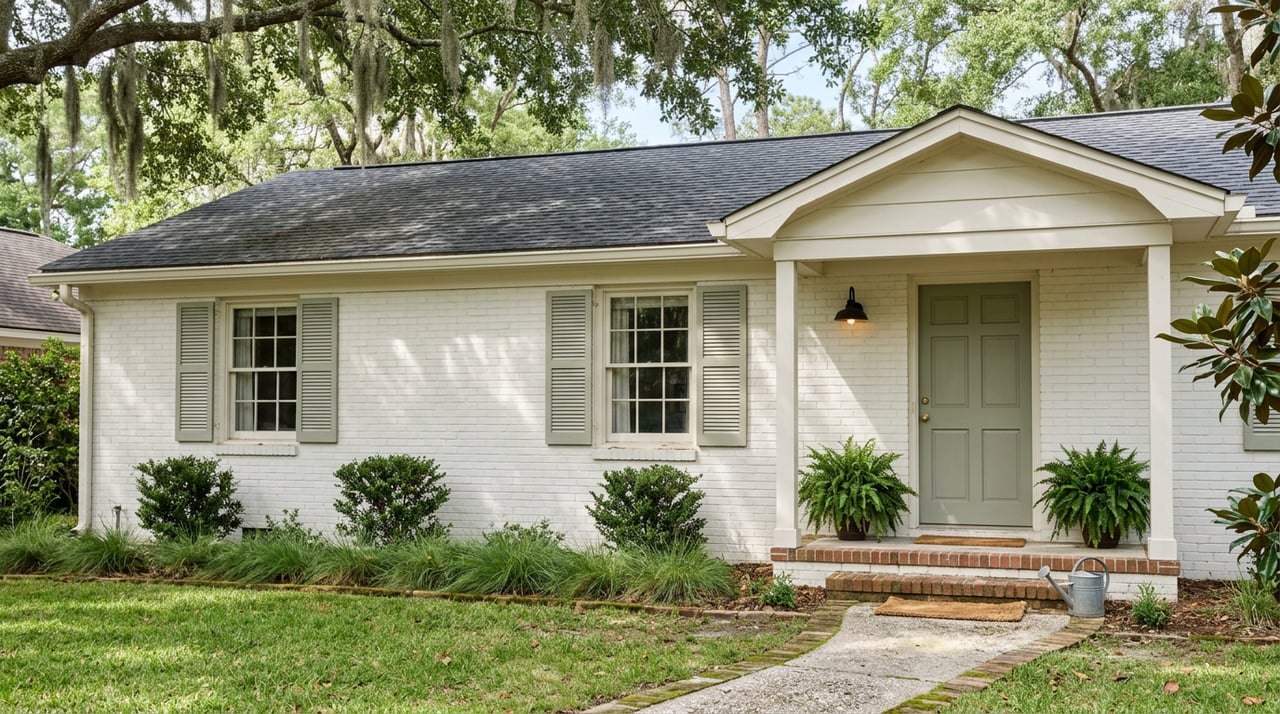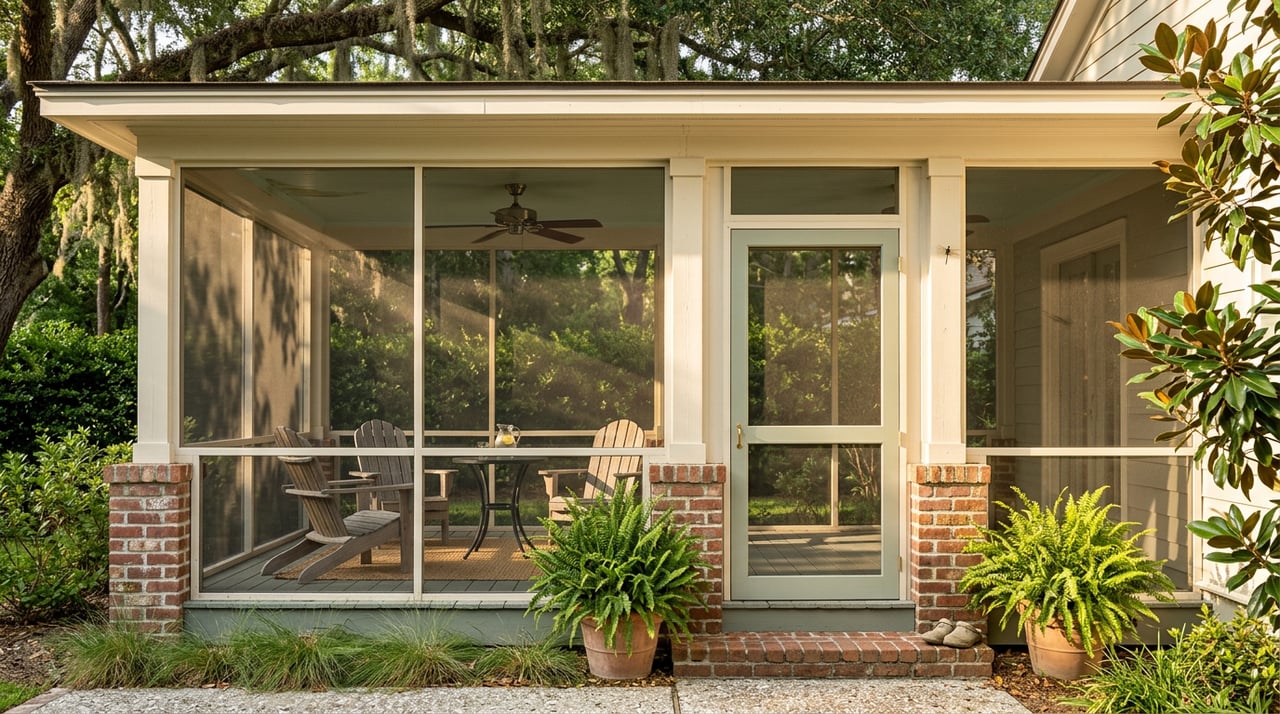
Dreaming of a Lowcountry porch, marsh breezes, and a brand‑new home that fits your life today? If Johns Island is on your list, you are not alone. New communities here blend coastal charm with modern layouts, but buying new construction comes with different choices than a resale. In this guide, you will learn how to pick the right lot, understand flood and utility factors, compare floorplans, protect yourself in the contract, and move from contract to close with confidence. Let’s dive in.
Why consider Johns Island new builds
Johns Island sits within the Charleston metro and mixes master‑planned communities, gated neighborhoods, and smaller townhome clusters. As of late 2025, market portals show a median sale price in roughly the high‑$600Ks to $800Ks. Prices and incentives shift fast, so use live MLS data and community sales offices for the latest.
You will see a range of options, from waterfront master plans like Kiawah River to large‑lot gated settings such as Sea Island Preserve, plus low‑maintenance villas and townhomes in spots like Hayes Park and Rhetts Cove. These examples highlight your tradeoffs: lot size and privacy, amenity access, commuting convenience, and maintenance level.
Location and lot basics
Confirm city vs county rules
Johns Island has both City of Charleston and unincorporated Charleston County parcels. Permit processes and floodplain rules can differ by jurisdiction. If you are unsure which office applies to your lot, start with the County’s floodplain resources and the City’s permit center pages.
- Review county floodplain guidance and elevation certificate info on Charleston County’s Floodplain Management page. Visit Charleston County Floodplain Management
- If the property is within city limits, see the City’s permit and flood resources. See City of Charleston permits
Flood zones, BFE, and elevation
Many Johns Island homes sit near tidal creeks or marsh. Always confirm the FEMA flood zone, Base Flood Elevation (BFE), and any Limit of Moderate Wave Action (LiMWA). New homes must meet minimum finished‑floor elevations above BFE, and local rules often require freeboard above that number. Ask for an elevation certificate or pad elevation on the site plan before you commit to a lot.
- Look up a property’s flood map and create a FIRMette. Use FEMA’s Flood Map Service Center
- Confirm local finished‑floor requirements and freeboard with the applicable jurisdiction. Charleston County floodplain guidance
Sea‑level rise and nuisance flooding
Lowcountry living means planning for high tides. Tidal or nuisance flooding can behave differently than heavy‑rain events. Before you pick a lot, review sea‑level and nuisance‑flood visuals to understand long‑term exposure and access routes.
- Explore water‑level scenarios and local mapping layers. Check NOAA’s Sea Level Rise viewer
Waterfront, wetlands, and docks
If water access is a must, verify early. Tidal wetlands and dock construction fall under state coastal rules and federal review. Permits can be limited or denied based on site conditions and impacts. Review permitted uses and talk with the appropriate agencies before you plan a private dock or boat ramp.
- Read South Carolina’s coastal regulations for docks and critical areas. See DHEC/OCRM rules
Utilities and services
Not every area of Johns Island has the same water or sewer options. Some areas are served by Charleston Water System while others use St. John’s Water Company. Sewer is not universal, and some parcels rely on septic systems. Utility availability affects siting, setbacks, impact fees, and long‑term maintenance, so confirm service before you fall in love with a homesite.
- Identify water and sewer providers for a specific address. Who’s your sewer provider?
Zoning, trees, and growth
Johns Island includes both growth corridors and conserved rural areas. The Urban Growth Boundary and local community plans guide where higher‑intensity development is expected. Ask how tree‑protection rules, scenic‑road overlays, and any nearby conservation easements could affect views, setbacks, and future development around your lot.
- Learn how the Johns Island Community Plan and code shape growth. Explore the community plan context
Floorplans and features you will see
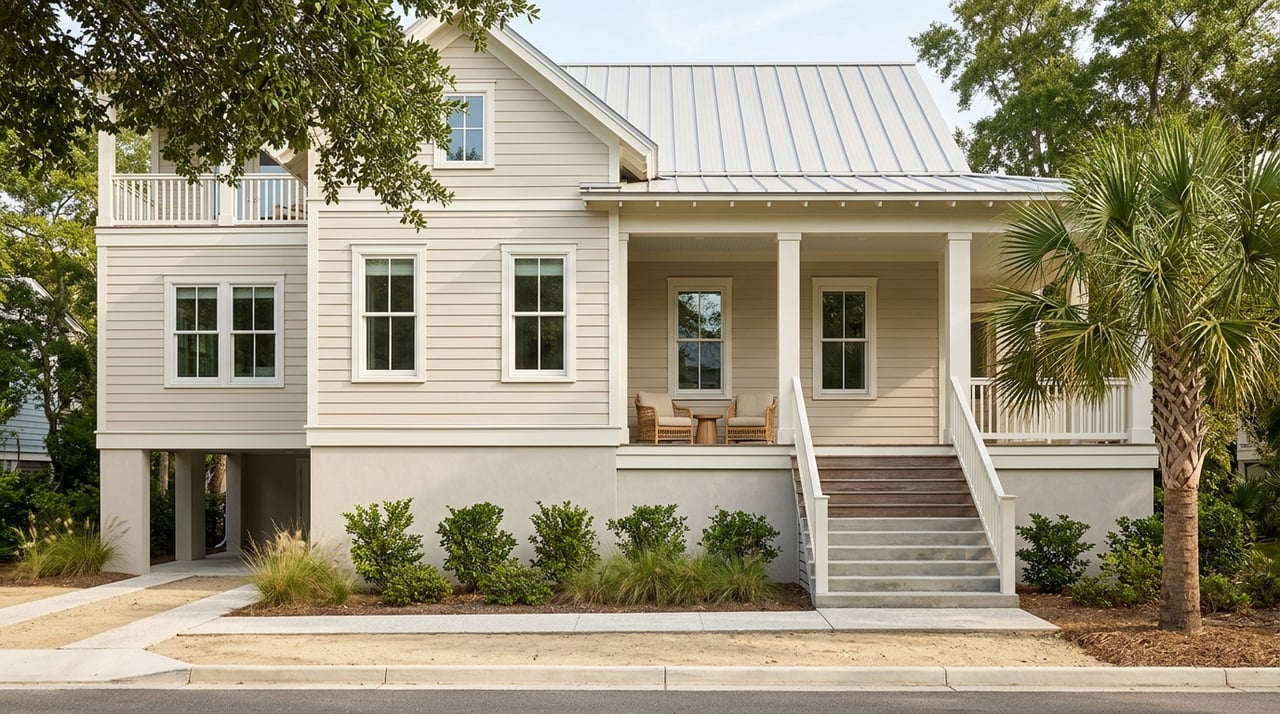
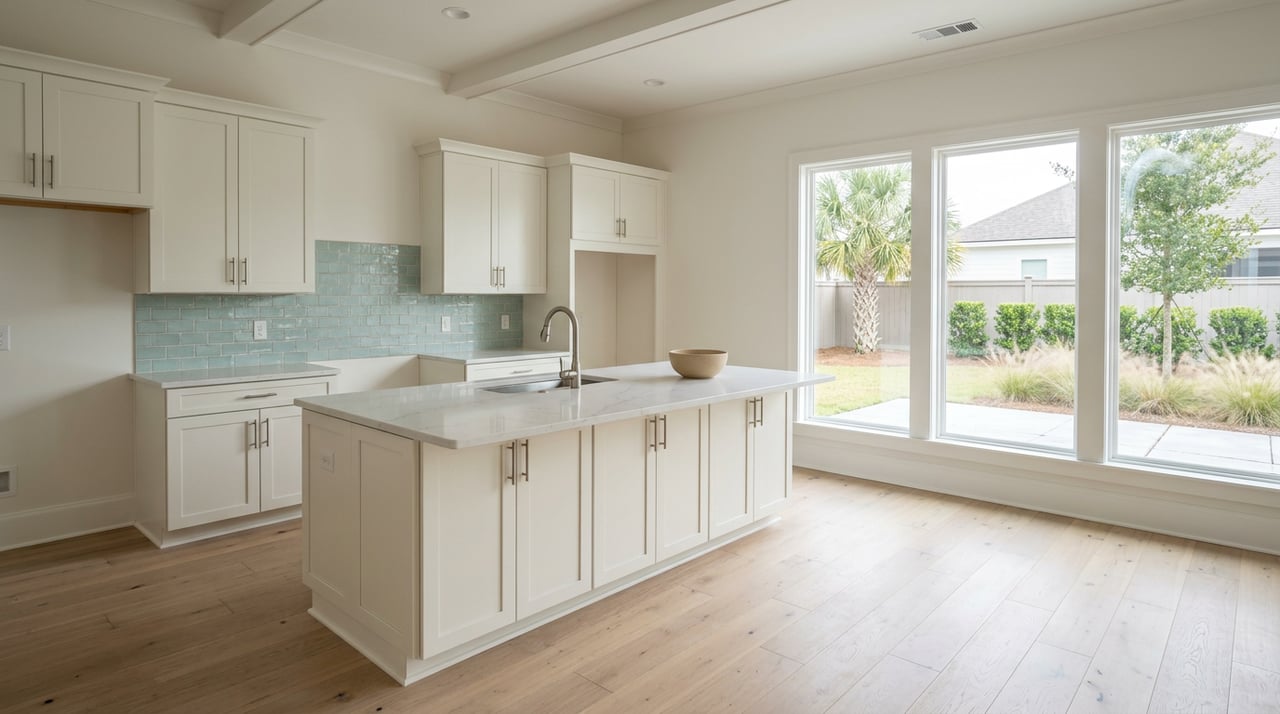
Expect Lowcountry character outside and modern living inside. Many plans feature wide porches, fiber‑cement siding, and elevated designs where required, paired with open kitchens, large islands, main‑level suites, and flexible bonus rooms. Product types include:
- Large‑lot single‑family in gated or semi‑custom settings.
- Amenity‑rich master plans with cottages and larger homes.
- Low‑maintenance townhomes or villas that appeal to downsizers and relocators.
Let the lot drive the plan. Elevation, flood zone, buildable area, and protected trees should shape your pick more than model‑home staging. If outdoor space and privacy matter, focus on larger lots. If convenience and low maintenance are priorities, consider attached products near Maybank Highway and services.
Contracts and warranties in South Carolina
What warranties really mean
South Carolina recognizes implied warranties of habitability and workmanship in new‑home sales, but many builders use express limited warranties, such as 1‑2‑10 formats that cover workmanship, systems, and structure for set periods. Ask for the actual warranty booklet up front and compare coverage, limitations, and claim procedures.
The South Carolina Residential Construction Standards offer performance benchmarks for common issues and tolerances. They are a helpful reference when reviewing builder promises and during punch‑list conversations.
- Review the state’s residential construction standards. South Carolina Residential Construction Standards
Contract terms to review closely
Builder contracts often include non‑standard terms. Read and clarify:
- Deposit timing, refund rules, and whether funds are escrowed.
- Change‑order process, pricing, and what is included vs upgrades.
- Timelines, delay clauses, and remedies if delivery slips.
- Dispute resolution, arbitration, or forum‑selection clauses.
- Incentives tied to using preferred lenders or title companies.
Courts in South Carolina have enforced many arbitration and disclaimer clauses, so exact language matters. Have your buyer agent and an attorney review the contract and warranty documents before you sign.
- See a recent Court of Appeals decision that highlights contract enforceability. Read the SC case summary
Protections to get in writing
- Warranty booklet, sample contract, and full list of included features.
- Clear pad height or finished‑floor elevation and who pays for needed fill.
- Right to independent inspections at key construction milestones.
- Documented incentives as credits on the contract, with terms if you choose a different lender.
- Defined punch‑list timeline and who approves completion.
Build process and timeline
What to expect
Most production or semi‑custom builds follow a similar flow: contract, lot selection, foundation, framing, rough‑ins, insulation and drywall, finishes, final inspections and Certificate of Occupancy, walkthroughs, and closing. Timelines vary by product and site work. Spec or inventory homes can close in a few months. Many production homes take about 6 to 12 months. Custom builds can take 10 to 16 months or longer, depending on design and permitting.
Inspections that protect you
Municipal inspections confirm minimum code compliance. They do not replace independent quality checks. Best practice is to hire a third‑party inspector for phase inspections and to attend the builder’s orientations with your inspector or agent.
- For city permit reference and inspection context, start here. City of Charleston permits
Recommended independent inspection points:
- Foundation or slab (structure and drainage)
- Pre‑drywall (framing, electrical, plumbing, HVAC rough‑ins)
- Final inspection before your final walkthrough
- Optional 60‑day and 11‑month warranty checks
Document all punch‑list items with photos and timelines for completion. Keep product manuals for windows, HVAC, roofing, and appliances.
Financing and appraisals
Construction and financing vary by product type:
- Move‑in ready or spec homes often use a standard mortgage.
- Ground‑up builds may use a construction‑to‑permanent loan with a draw schedule.
- Some custom projects require a construction‑only loan followed by an end loan.
If you select a unique lot or invest in extensive upgrades, appraisers may have limited recent comps, which can create valuation gaps. Discuss appraisal strategy and contingency options with your lender and agent early.
Builder incentives and negotiation
Builders adjust incentives with market conditions. You might see rate buydowns, closing‑cost credits, or design‑center allowances. Incentives often depend on using the builder’s preferred lender and title partner. Ask for a full cost comparison and put all incentives in the contract as credits. Your agent can help weigh the true net value of incentives versus an outside lender with better terms.
How your buyer’s agent helps here
A strong buyer’s agent does far more than open doors. On Johns Island, your agent should:
- Register you with on‑site sales teams and confirm compensation before model visits. Many buyers still rely on agents for expert guidance. See NAR’s latest buyer trends
- Pull elevation certificates or pad surveys, confirm flood zone, freeboard, and who pays for fill. County floodplain guidance
- Verify water and sewer availability and any planned lift‑station or expansion work. Who’s your sewer provider?
- Review contracts and warranties, flag arbitration or delay clauses, and document incentives.
- Coordinate independent phase inspections and join the final walkthrough with a clear checklist.
- Gather HOA documents, budgets, and timelines to understand fees and developer rights. Community Associations Institute has helpful checklists you can use as a reference.
Quick checklists you can use
Lot checklist
- What is the FEMA flood zone and Base Flood Elevation? Request a FIRMette. Find your FEMA map
- What finished‑floor elevation will the builder deliver, and who pays for any additional fill to meet local freeboard? Check county floodplain requirements
- Is the lot in or near wetlands or critical areas that limit docks or ramps? Review coastal permitting basics
- Which water and sewer providers serve the lot, and what are the impact or connection fees? Confirm your sewer provider
- Are there overlays, tree protections, or conservation easements that affect siting or materials? Review local plans and recorded restrictions. See the Johns Island plan context
Contract checklist
- Included features vs allowances, with photos of the model for reference.
- Deposit, refund rules, and whether funds are escrowed.
- Timeline, remedies for delays, and completion standards.
- Third‑party warranty coverage and claim process.
- Any arbitration or forum‑selection clause and its impact on dispute resolution. Read an SC case overview
Inspection schedule
- Foundation or slab inspection
- Pre‑drywall inspection
- Final inspection before the builder walkthrough
- Optional 60‑day and 11‑month warranty checks
Financing and closing checklist
- Loan type and draw schedule (if any)
- Effect of any rate buydown on approval and costs
- Appraisal strategy for unique lots or heavy upgrades
- Closing costs, title partner, and incentive terms in writing
- Escrow holdback for minor incomplete items, if needed
Move‑in and warranty management
- Document punch‑list items in writing at the final walkthrough and set deadlines.
- Keep the builder warranty packet and all manufacturer warranties together.
- Calendar warranty touchpoints at 60 days and 11 months and schedule your own checks.
- Keep dated photos and email records of every service request.
Buying new on Johns Island can be a rewarding path to Lowcountry living when you pair a smart lot choice with the right protections. If you want a calm, step‑by‑step process and local advocacy from the first model visit to your 11‑month check, let’s connect. Reach out to Brittany Shropshier to map your best path to a Johns Island new build.
FAQs
What makes buying new construction on Johns Island different from resale?
- You will navigate flood and elevation rules, utility availability, and builder contracts, plus a longer timeline and phased inspections that do not apply to most resales.
How do I check a Johns Island lot’s flood zone and elevation?
- Look up the address on FEMA’s map, then confirm local finished‑floor requirements with the City of Charleston or Charleston County and ask for an elevation certificate or pad height in writing.
Can I add a private dock to a marsh or creek lot?
- Dock approvals are not guaranteed and depend on state coastal rules and federal review, so verify feasibility and permit history early before you commit to a waterfront lot.
Who provides water and sewer on Johns Island?
- Service areas vary; some parcels are on Charleston Water System sewer, others may use St. John’s Water Company for water and some areas rely on septic, so confirm providers and connection costs for your specific lot.
What builder warranties should I expect in South Carolina?
- Many builders use express limited warranties, often in a 1‑2‑10 format, alongside state construction standards; get the actual booklet and claims process before signing.
Do I need my own home inspector for a new build?
- Yes, city or county inspections check code minimums only; independent inspections at foundation, pre‑drywall, and final help protect quality and identify fixes before closing.