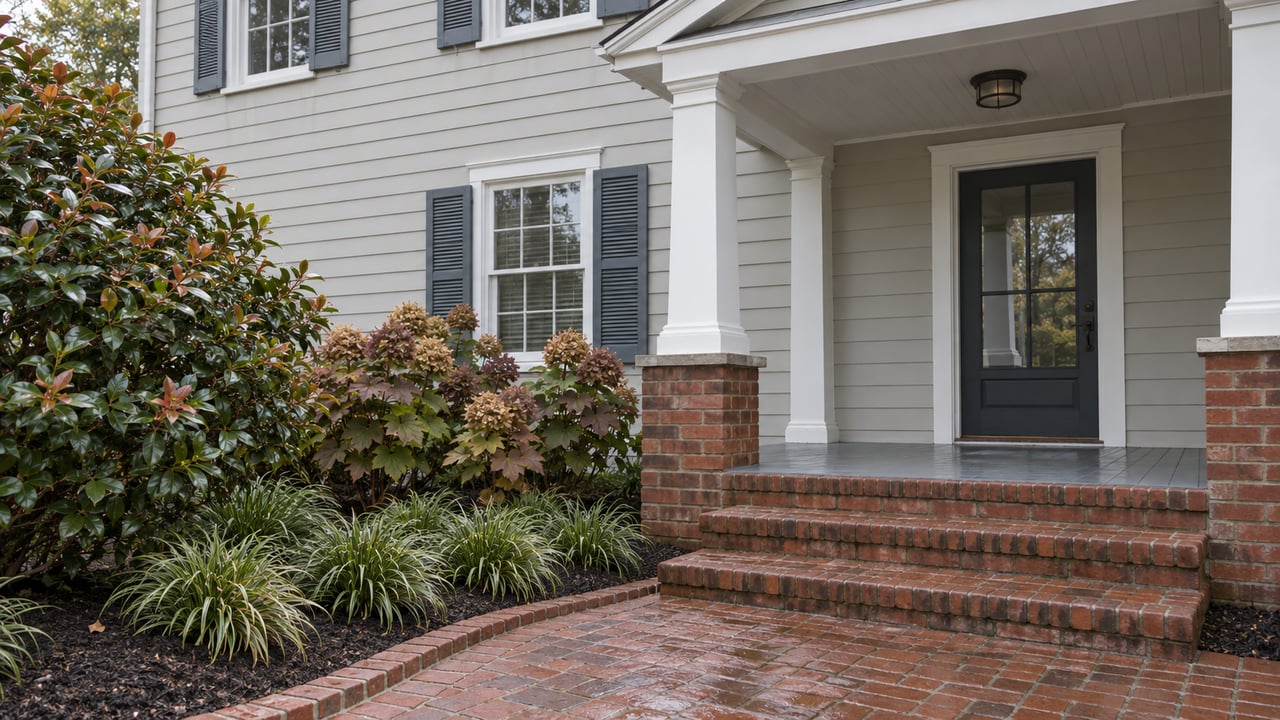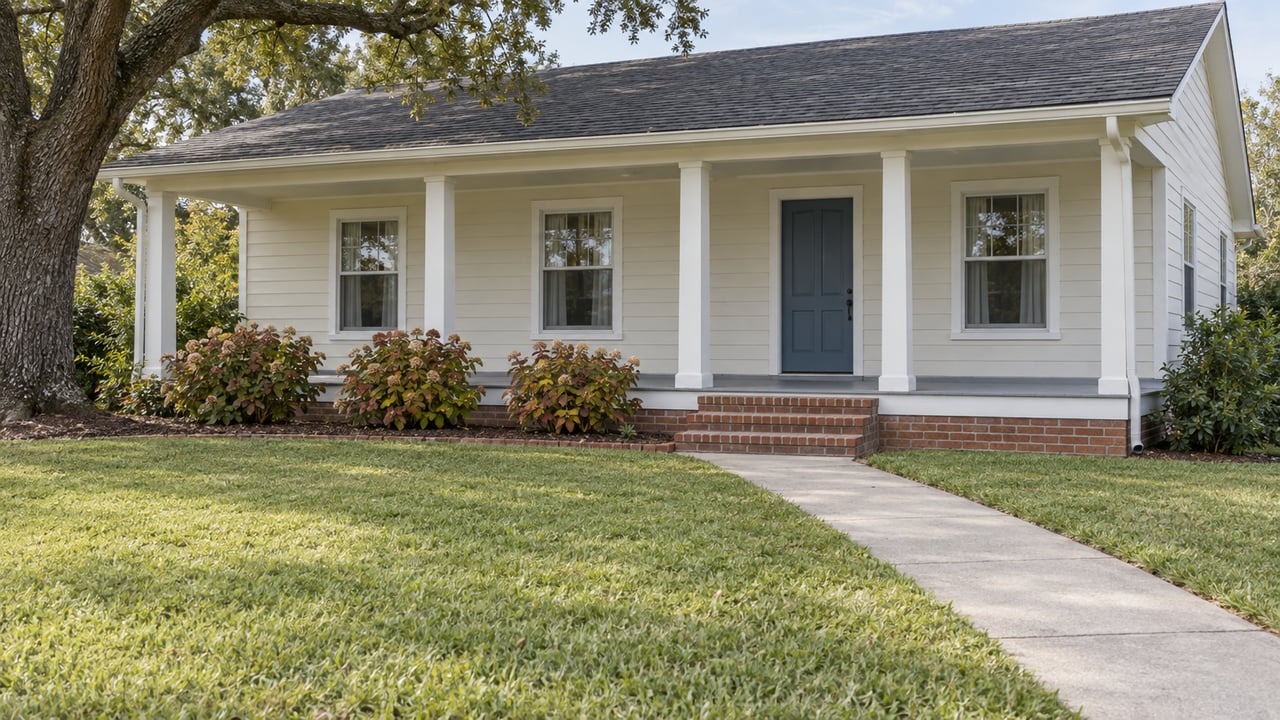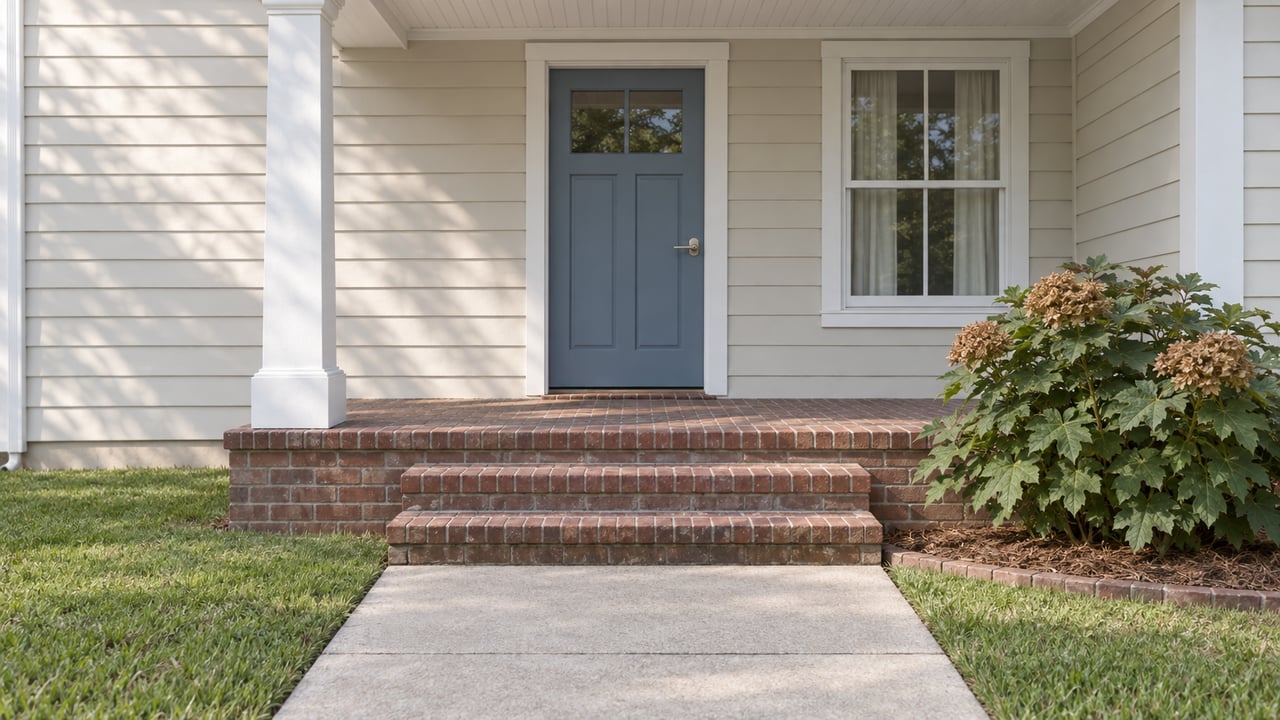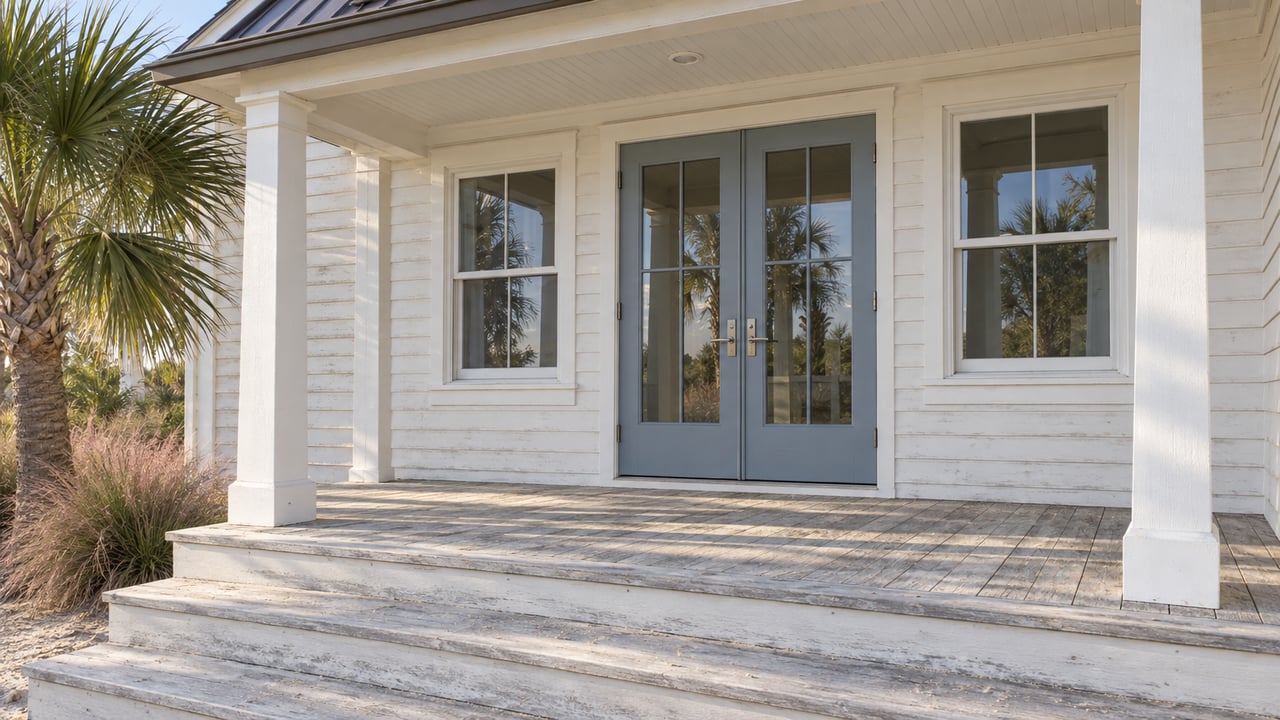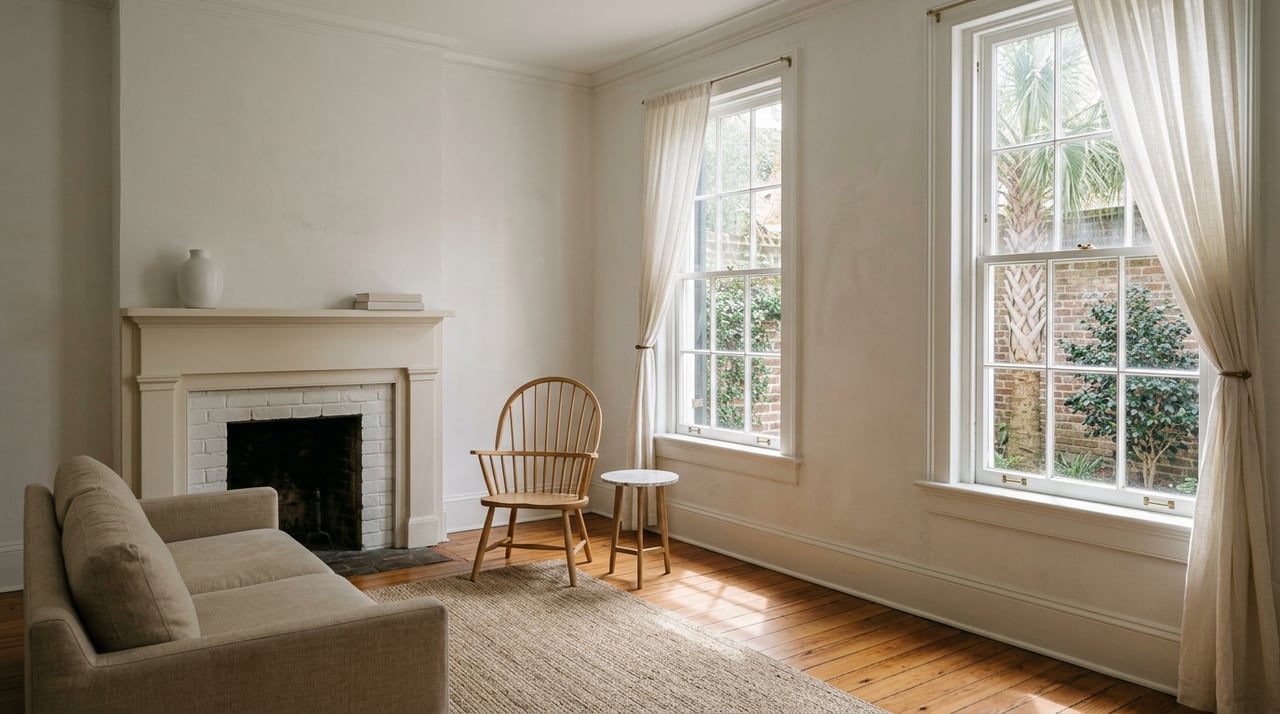
Thinking about selling your historic Charleston home on the peninsula? The character that makes your property special is exactly what buyers want, but success comes from pairing that charm with smart prep, the right approvals, and a polished presentation. In this guide, you’ll learn the must-know rules for the Old and Historic District, how to price with confidence, the staging moves that spotlight your home’s best details, and a step-by-step timeline. Let’s dive in.
Start with Charleston’s BAR rules
Before you plan paint colors or exterior touch-ups for photos, confirm what the City will allow. Many downtown properties fall under the Board of Architectural Review. Exterior changes visible from the public right of way typically require review and a Certificate of Appropriateness. Read the City’s guidance and contact staff early for pre-application advice so your timeline stays on track. You can find the official resource in the City’s BAR Guidelines for Historic Properties.
What this means for your sale:
- If it can be seen from the street, plan on BAR review. This includes exterior paint, windows, shutters, signage, and piazza elements.
- Expect a review window for non-trivial exterior work. The City uses two panels for small and large projects, and demolition can be delayed during review.
- The City relies on the Secretary of the Interior’s Standards. Favor repair in kind, reversible changes, and materials that match where required.
If exterior updates are part of your staging or photography plan, start conversations with BAR staff early. It shows buyers you took preservation seriously and helps you avoid last-minute delays.
Price for the historic core
Downtown Charleston is a specialized market. You often see premiums for walkability, location, and intact historic fabric. Value also depends heavily on condition and what changes are allowed under BAR rules. Instead of county-wide averages, use neighborhood-level comps and current data from the Charleston Trident Association of REALTORS’ market reports.
How to position your price and story:
- Build comps that mirror your home’s age, designation, lot size, square footage, and condition. Include the level of permitted change under BAR.
- Document upgrades. Buyers respond to proven investments in structure, systems, and historically appropriate restoration.
- Lead with a narrative that connects dates, architectural style, and careful improvements. The story of stewardship matters in this submarket.
Tax incentives that influence buyer interest
Tax credits can shape renovation economics and widen your buyer pool, especially for income-producing properties.
- Federal program. The National Park Service administers a 20 percent Historic Rehabilitation Tax Credit for certified rehabilitations of income-producing historic buildings. It does not apply to owner-occupied primary residences. Learn the basics from the NPS tax credit overview.
- South Carolina program. The state offers historic rehabilitation credits and includes provisions for owner-occupied certified residences under state law. Review the SHPO guidance on South Carolina historic tax incentives and the state statute before advertising eligibility.
If you completed certified work, gather your approvals and receipts. Place copies of certifications in a buyer packet so investors and owner-occupants can see what was approved and when.
Do the technical prep buyers expect
Historic homes ask smart questions. Anticipate them with targeted pre-listing work so you avoid renegotiation and build trust.
- Inspections and specialist reports. Order a general home inspection, plus WDI/termite, electrical, structural or foundation, HVAC, roof, and moisture or mold assessments. Downtown inspectors know local building types and typical issues.
- Flood zone and elevation. Confirm your FEMA flood zone and whether the property sits in a Special Flood Hazard Area. Pull an elevation certificate if available, and compile current flood insurance quotes. Start with FEMA’s Map Service Center. If a buyer uses a federally backed loan and the home is in an SFHA, flood insurance is generally required. You can review key terms at FloodSmart’s definitions.
- Lead disclosure and safe work rules. If your home was built before 1978, federal law requires a lead-based paint disclosure and delivery of the EPA/HUD pamphlet to buyers. Contractors working for pay must follow the EPA’s RRP rules. Learn more at the EPA RRP program page.
- Historic approvals and documentation. Assemble Certificates of Appropriateness, BAR approvals, permits, architectural drawings, and contractor receipts for restoration. City preservation staff can confirm whether past exterior work was permitted.
Build a buyer-ready listing packet
Create a secure digital folder your agent can share with interested buyers. Include:
- Copies of BAR approvals and permits
- Recent inspection summaries and contractor invoices for major systems
- Flood documents, including any elevation certificate and current policy quotes
- Lead disclosure and EPA pamphlet acknowledgment for pre-1978 homes
- Floor plan, 3D tour link, and a brief house history with notable restoration milestones
Stage to spotlight Charleston character
Staging for a historic Charleston home is about clarity. You want buyers to notice original details the moment they step in and the moment they scroll your photos. Trade guides recommend neutral furnishings that let architecture take the lead and framing modern updates as sympathetic, not overpowering. For a quick overview of best practices, see this summary of staging and marketing tips for historic homes.
What to emphasize:
- Character-defining features. Highlight heart pine floors, mantels, staircases, original moldings, built-ins, period hardware, and of course the piazzas. Use a few close-up “hero shots” in your gallery and listing copy.
- Modern but reversible. Kitchens and baths should feel updated for daily life, yet the overall staging should honor historic fabric. Avoid anything that hides or removes original elements.
- Light, scale, and flow. Pare back clutter. Use streamlined rugs, neutral upholstery, and lighting that keeps sightlines open to millwork and windows.
Charleston-specific staging:
- Treat the piazza as a primary room. Arrange seating for conversation, include a small serving surface, and add soft textiles to suggest breeze and shade.
- Refresh exterior elements only after checking BAR rules. If you plan to repaint, replace shutters, or alter visible hardscape for photos, confirm whether review is required.
Photography and media that sell
Buyers of historic homes shop with their eyes and with plans. Give them both.
- Professional photography with detail close-ups of millwork, mantels, flooring, and hardware
- Exterior context shots from the street and angled views to show piazzas and massing
- A measured floor plan for unusual footprints
- A high-quality 3D walkthrough or video for relocation buyers who will pre-screen online
- Twilight exteriors, which often perform well for downtown listings
Targeted marketing for the right buyers
The best results come from reaching people who value authenticity and understand downtown living.
- Who to prioritize. Preservation-minded local buyers, out-of-area relocators and second-home shoppers, and investors when the property is suited to income use.
- Channels that work. Launch on MLS with standout media and a downloadable packet. Price and timing can be informed by the latest Charleston Trident market reports. Use editorial storytelling in the remarks and syndicate to heritage-focused outlets when appropriate.
- Digital reach. Run geo-targeted ads that highlight virtual tours for remote buyers.
- Agent networks. Work with a listing agent who knows downtown inventory and BAR processes. Experienced agents often maintain buyer lists and referrals through attorneys and preservation groups.
Timing tip: Unique historic properties sometimes benefit from a longer runway. Plan for a 3 to 9 month horizon if you need to educate buyers about BAR constraints or flood considerations. An organized information packet speeds due diligence and can shorten time to close.
Your pre-listing timeline and checklist
Use this as a quick roadmap you can tailor to your home.
3–9 months before listing
- Confirm whether your property is in the Old and Historic District. Review the City’s BAR Guidelines and contact staff about any exterior work you are considering.
- Order inspections: general, WDI/termite, electrical, structural, HVAC, roof, and moisture or mold as needed.
- Check FEMA flood zone status and request or locate an elevation certificate if applicable using the FEMA Map Service Center.
- If you plan exterior refreshes for photos, ask BAR staff what requires a Certificate of Appropriateness.
0–6 weeks before listing
- Address safety and code items first: electrical hazards, plumbing leaks, roof issues, and HVAC service. Keep receipts and permits.
- Stage key rooms and piazzas. Schedule professional photography, floor plan, and 3D tour.
- Compile your digital listing packet with approvals, inspection summaries, flood docs, floor plan, and a short written house history.
Listing and marketing phase
- Launch with complete media and the buyer packet. Promote to preservation and relocation audiences and be ready to send documentation quickly.
- Monitor feedback and questions. If multiple buyers ask about a topic like flood or BAR, add a one-page explainer to your packet.
Ready to position your historic Charleston home with care and confidence? If you want a hospitality-first plan that blends preservation know-how with polished marketing, let’s talk about your goals and timing. Connect with Brittany Shropshier to get started.
FAQs
Charleston BAR and interior renovations
- The BAR generally reviews exterior appearance visible from the public right of way and demolition or relocation matters, not interior work, unless interior changes affect exterior character; confirm details with the City’s BAR Guidelines.
Flood insurance requirements for downtown Charleston
- If a property is in a FEMA Special Flood Hazard Area and a buyer uses federally backed financing, lenders generally require flood insurance; check your zone at the FEMA Map Service Center and review key terms at FloodSmart.
Tax credits for historic home renovations in South Carolina
- Income-producing historic properties may qualify for the federal 20 percent credit with NPS certification, and South Carolina offers state rehabilitation credits, including provisions for owner-occupied certified residences; see the NPS overview, SCDAH guidance, and the state statute.
Lead-based paint disclosures for pre-1978 homes
- Federal law requires a lead disclosure and EPA/HUD pamphlet for pre-1978 homes, and paid contractors must follow the EPA’s Renovation, Repair and Painting rules; details are on the EPA RRP page.