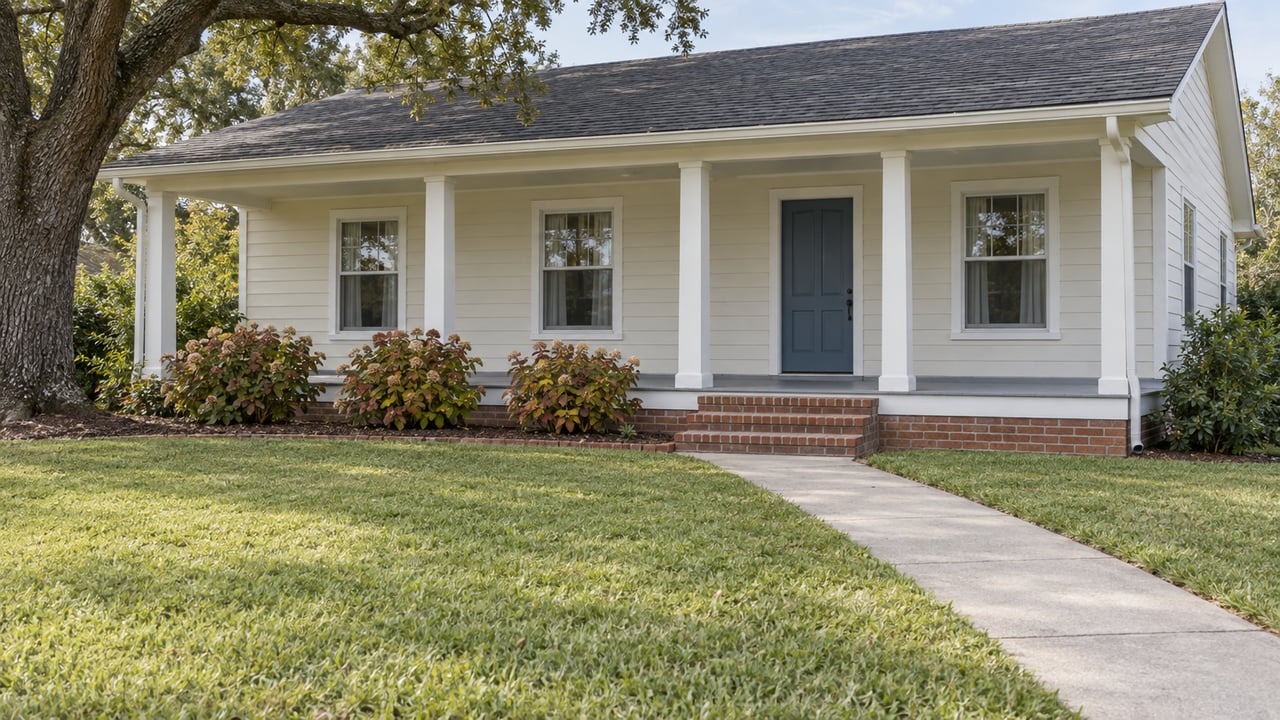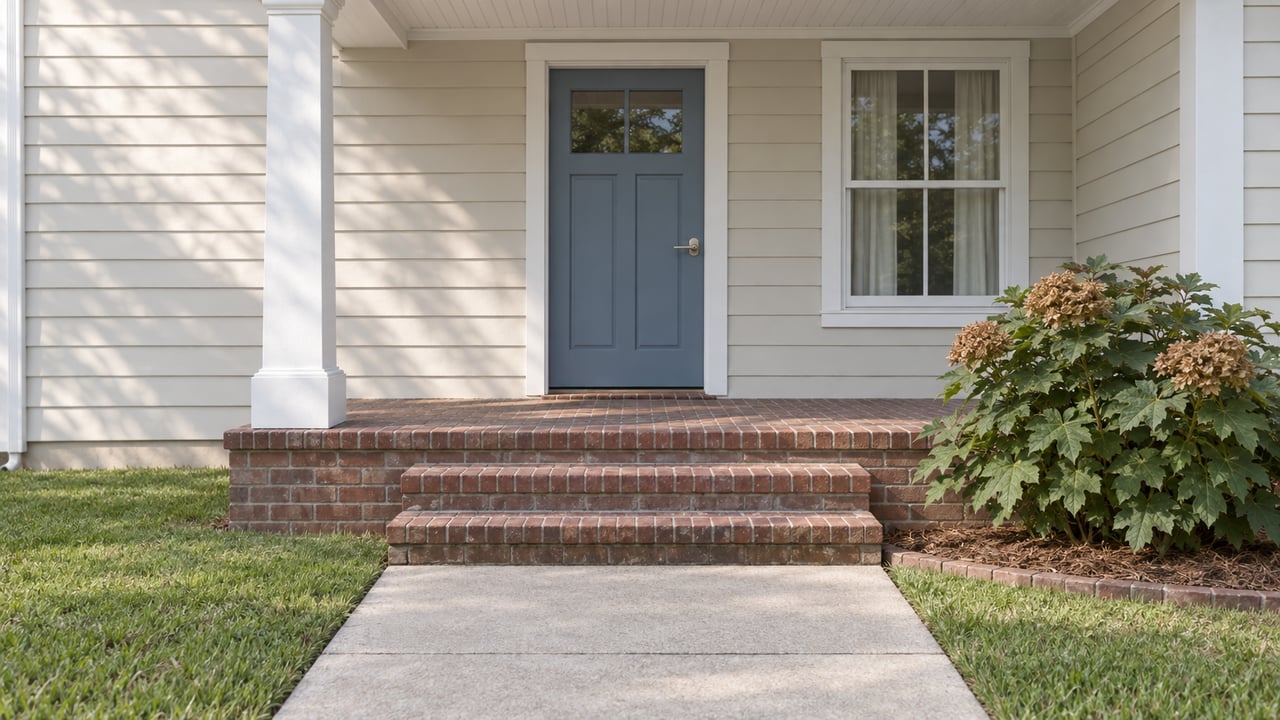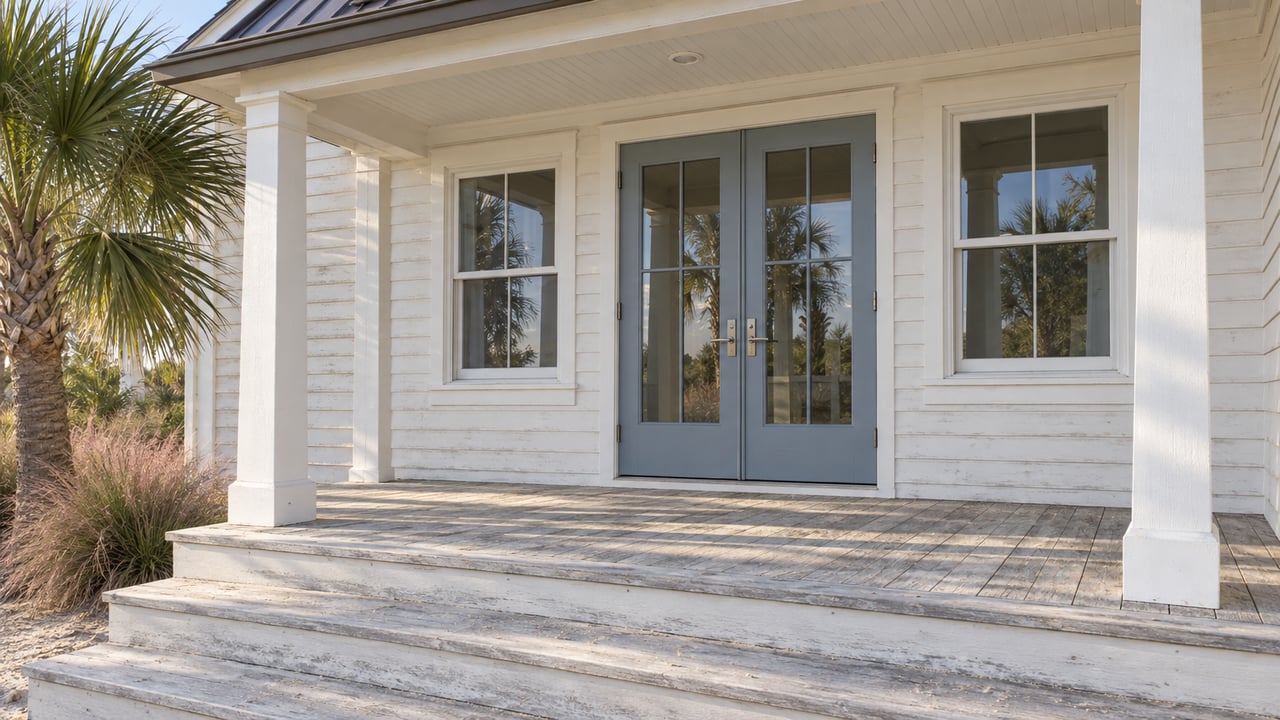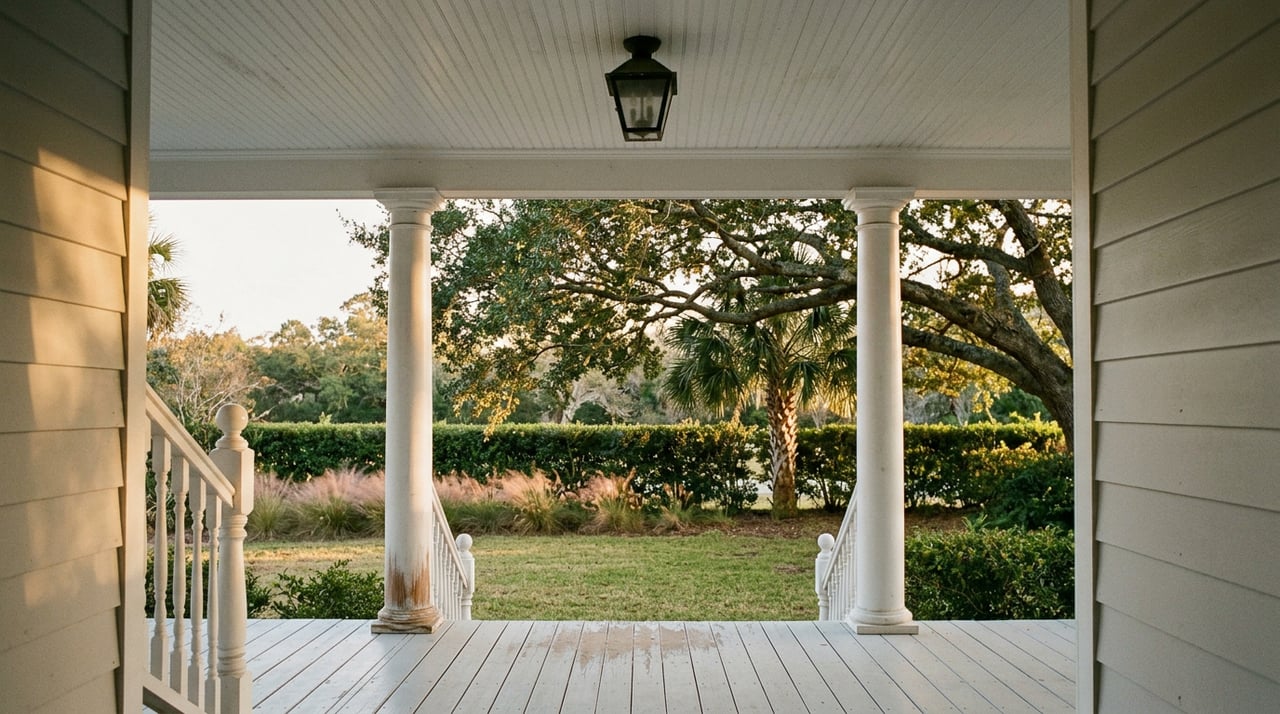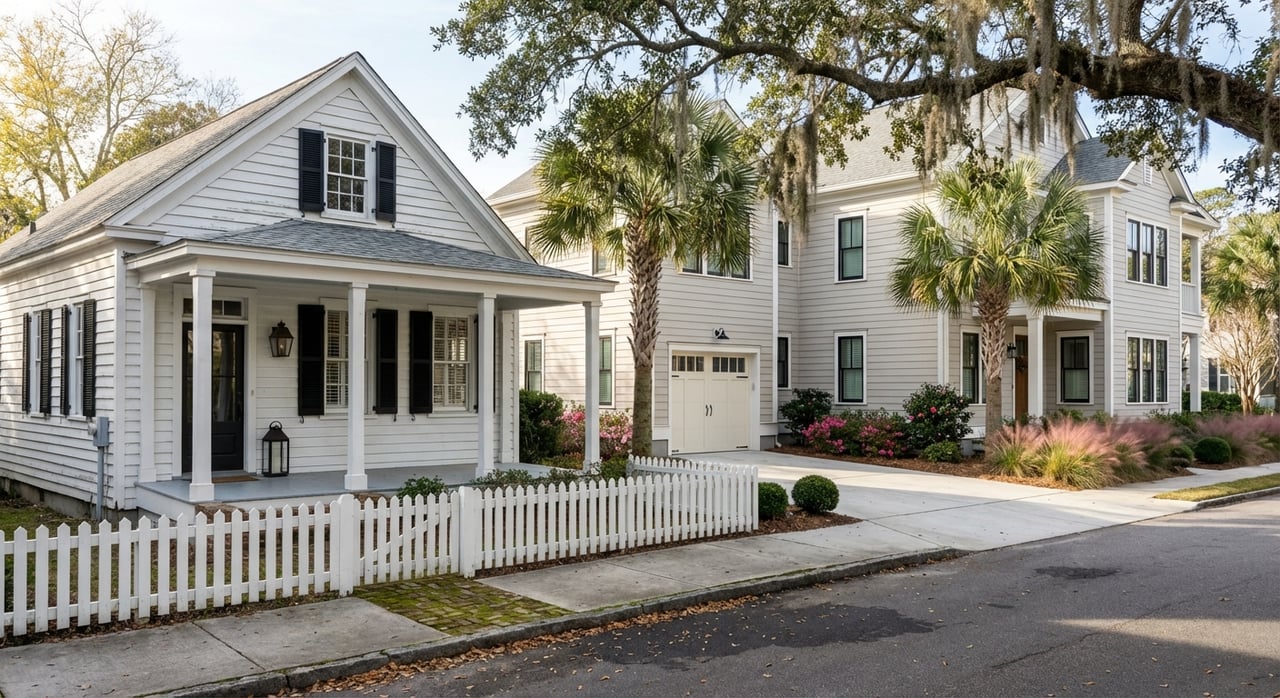
Dreaming of a shady front porch under century-old oaks, or a brand-new home steps from a pool and playground? In Summerville, you can choose either lifestyle, and both have real benefits. If you are weighing schools, commute time, renovation rules, and long-term costs, it helps to see how historic homes stack up against newer master-planned communities. This guide walks you through the key tradeoffs so you can feel confident about your next move. Let’s dive in.
Historic Summerville at a glance
Architecture and atmosphere
Summerville’s heart is its nationally recognized Historic District, a walkable core with roughly 700 contributing structures and a streetscape defined by porches, mature oaks, and gardened lots. Building styles range from raised cottages and Greek Revival–influenced homes to Victorian and early-20th-century forms. You can explore the town’s architectural character in the official Summerville Historic District listing.
Daily life downtown
Living near Main Street means short, walkable trips to restaurants, shops, and parks like Azalea Park. The calendar is packed with community favorites such as the Flowertown Festival, farmers markets, and historic home tours. Expect narrower or irregular lots and older parking patterns compared with newer subdivisions, which is part of the charm and the tradeoff.
Renovations and approvals
If your property sits inside the town’s downtown historic district, exterior changes usually require a Certificate of Appropriateness through the Board of Architectural Review. The town’s Unified Development Ordinance guides the process and often references the Secretary of the Interior’s Standards. This oversight protects neighborhood character but can add time to design and permitting. Review the Town of Summerville UDO and Board of Architectural Review process before planning visible additions or demolitions.
Maintenance and insurance
Older homes deliver instant character, but systems like roofing, HVAC, wiring, and windows may need earlier updates. A common rule of thumb for budgeting is 1 to 4 percent of the home’s value per year for maintenance, with older homes trending toward the higher end. See Fannie Mae’s guidance on building a maintenance and repair budget.
Flood risk in the Lowcountry varies block by block. Historic lots are not automatically safer from flooding. Check FEMA mapping and local determinations and get quotes for flood insurance if the property is in or near a Special Flood Hazard Area. South Carolina requires expanded seller disclosure about past flooding, but always verify independently. Start with the county’s emergency resources for flood and hurricane readiness.
Pros and tradeoffs for historic
- Pros: walkable downtown life, parks and year-round events, architectural character, and mature shade trees.
- Tradeoffs: smaller or irregular yards, possible parking limitations, stricter exterior-change rules, and potentially higher renovation costs and longer timelines.
New master-planned communities
Home types and lot sizes
Summerville’s master-planned communities offer a mix of townhomes, single-family homes on smaller low-maintenance yards, and in some phases larger or estate-style lots. In many single-family sections, lots commonly range from about 0.11 to 0.25 acres, though offerings vary by village and builder. You will typically choose between more yard to manage or a smaller, easier-care lot.
Amenities and on-site life
These communities emphasize everyday convenience: clubhouses, resort-style pools, playgrounds, miles of trails, pocket parks, and programmed events. Many include or sit next to retail so errands stay close to home. For example, Nexton highlights village shops, parks, and trails within its plan, and Summers Corner showcases a 95-acre lake, parks, and a planned performing arts venue.
Schools and commutes
Several large communities were designed with or near elementary schools and rely on county school district assignments. Always verify zoning for a specific address with Dorchester School District Two’s schools and programs directory. For commuting, Summerville sits along the I-26 corridor, roughly 22 to 30 miles from downtown Charleston depending on origin and route. Master-planned layouts help reduce some daily trips through on-site retail and services, while downtown homes trade that for walkability to Main Street and parks.
HOAs, dues, and CDDs
Most master-planned neighborhoods have Homeowners Associations that maintain amenities and common areas and set exterior standards. Dues vary by community and sub-phase. Some large, amenity-rich developments in the region also use Community Development District fees to fund infrastructure and amenities. Ask for the current HOA budget, reserves, Covenants, Conditions and Restrictions, and any CDD assessments so you understand coverage and total monthly costs.
Maintenance predictability
Newer construction typically reduces near-term replacement risk for big-ticket items like roofs, HVAC, and appliances and often comes with builder warranties. The tradeoff is adherence to HOA guidelines and recurring dues. Some communities offer landscaping programs that further simplify upkeep; review each community’s FAQs and covenants. You can browse example HOA and amenity details in Summers Corner’s FAQs.
Community spotlights
- Nexton: a large mixed-use plan with parks, trails, and village retail, plus a range of homes from townhomes to luxury estates. Close to I-26 for regional access. Learn more at Nexton.
- Summers Corner: multiple home collections, a signature lake, parks, planned arts programming, and on-site connectivity. Explore Summers Corner.
- Cane Bay Plantation: a long-running plan known for broad product choice, internal retail, trail networks, and access to major amenities. Verify HOA and any CDD details for each sub-neighborhood.
- The Ponds and Carnes Crossroads: popular area communities that emphasize preserved open space, centralized amenities, and trail systems. Each has its own HOA structure and school assignments.
How to compare your options
Use this quick checklist to make an apples-to-apples decision:
- Confirm school assignment for the exact address through Dorchester School District Two’s schools and programs directory.
- Verify if the property is inside the Town’s historic district and review the UDO and Board of Architectural Review process for exterior changes.
- Request HOA documents for any planned community: budget, reserves, CCRs, meeting minutes, and any special assessments. Ask whether a CDD applies and what it covers.
- Compare true lot size and orientation using plat maps and MLS data. Decide if you want a larger yard or lower-maintenance space.
- Plan inspections with a focus on roof, HVAC, electrical, plumbing, and termite history. Use the 1 to 4 percent annual maintenance rule of thumb for budgeting, per Fannie Mae guidance.
- Check flood risk and insurance by reviewing local resources for flood and hurricane readiness and obtaining quotes if near a Special Flood Hazard Area.
- Test your commute during peak and off-peak hours. Remember that some master-planned communities reduce errand trips with on-site retail, while downtown offers walkable access to shops and parks.
- Look at comps by neighborhood or village, not just town-wide medians. Recent trackers show Summerville-area medians in the mid-$300Ks, but neighborhood-level data is what matters. You can explore market context via ATTOM’s Summerville property data.
Which Summerville lifestyle fits you
Choose an older, in-town home if you value walkability to Main Street, park access, and architectural character, and you are comfortable planning for renovation timelines and ongoing maintenance. Choose a newer master-planned community if you want amenity-rich living, more predictable upkeep with warranties, and neighborhood programming, and you are fine with HOA rules and dues. Either way, you can find a great fit in Summerville with the right address-level checks and a clear budget.
Ready to compare homes, neighborhoods, and true costs side by side? I am here to help you weigh tradeoffs and move forward with confidence. Reach out to Brittany Shropshier to start your Summerville search today.
FAQs
What does living in Summerville’s Historic District mean for renovations?
- Many exterior changes require a Certificate of Appropriateness through the town’s Board of Architectural Review, guided by the Unified Development Ordinance.
How do HOA and possible CDD fees work in Summerville’s new communities?
- HOAs fund amenities and set exterior standards, with dues that vary by sub-neighborhood; some large developments also use separate CDD fees to finance infrastructure and amenities, so request all budgets and assessments.
Are flood risks higher downtown than in newer neighborhoods?
- Flood risk is highly local and address-specific; check mapping and local resources for flood and hurricane readiness and obtain insurance quotes for any property in or near mapped flood zones.
What lot sizes can I expect in master-planned communities?
- Many single-family sections offer low-maintenance lots around 0.11 to 0.25 acres, with occasional larger or estate lots depending on the village and builder; verify exact dimensions on the plat.
How far is Summerville from downtown Charleston for commuting?
- Depending on your exact starting point and route, it is roughly 22 to 30 miles along the I-26 corridor, and door-to-door time varies with rush hour, so test your commute at peak and off-peak times.