Dreaming about waking up to ocean views on Folly Beach? A beach condo can be an incredible lifestyle move, but on a barrier island, the details behind the building matter just as much as the view from the balcony. If you are thinking about buying on Folly Beach, you need to look beyond finishes and focus on flood risk, HOA responsibilities, rental rules, insurance costs, and long-term maintenance. Let’s dive in.
Why Folly Beach condo buying is different
Buying a condo on Folly Beach is not the same as buying a condo inland. Folly Beach is a barrier island, and the city identifies chronic erosion as its biggest beach-management challenge. The city also monitors beach width and sand volume and works on renourishment, drainage, dunes, seawalls, setbacks, and private walkovers.
That means your buying decision should include more than location and aesthetics. Building age, elevation, shoreline conditions, drainage patterns, and beach access can all affect ownership costs and future resale. On Folly Beach, the physical setting is part of the investment story.
Start with the building, not just the unit
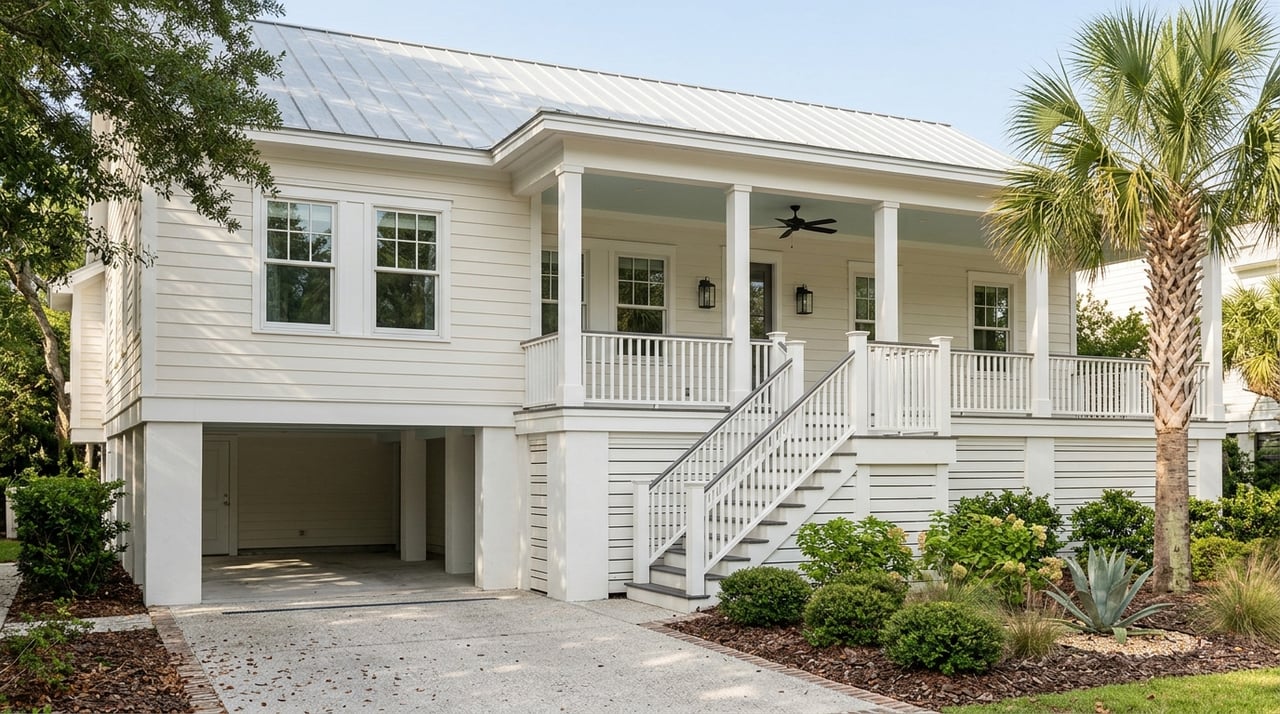
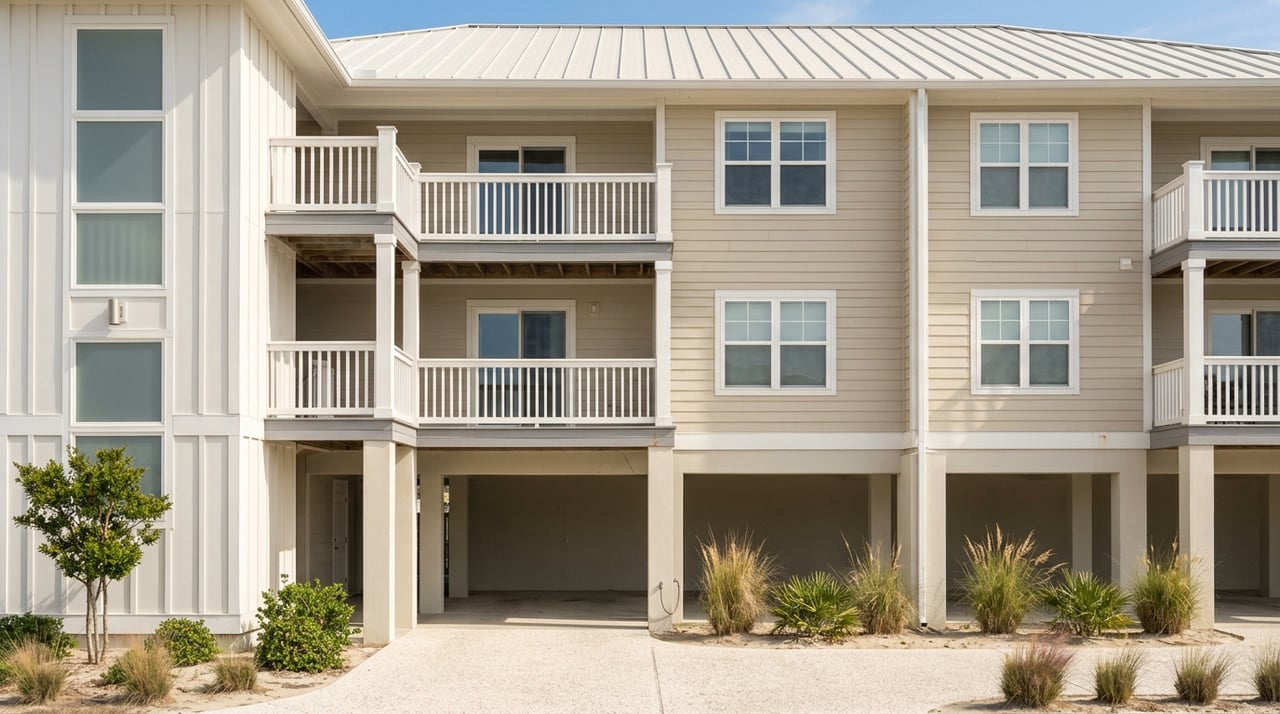
It is easy to fall in love with updated kitchens, pretty flooring, and a great porch. Still, in a coastal condo, the bigger questions often sit outside your front door. You will want to understand the condition of the roof, exterior, balconies, walkways, stairs, elevators, and any shared waterfront structures.
Under South Carolina’s Horizontal Property Act, common elements can include items like roofs, halls, stairways, elevators, docks, and walkways. That matters because those shared elements are often maintained by the condo association, not the individual owner. Before you buy, make sure you know exactly what belongs to the association and what belongs to the unit owner.
Questions to ask about common elements
- Who is responsible for the roof and exterior repairs?
- Who maintains balconies, railings, and exterior painting?
- Are walkovers, docks, seawalls, or shared access points part of the association?
- Has the building had recent major repairs?
- Are any special assessments planned or being discussed?
These questions can tell you a lot about the true cost of ownership. A beautiful unit in a building with deferred maintenance can become expensive very quickly.
Review the HOA documents carefully
On Folly Beach, HOA due diligence is one of the most important parts of the process. Lenders often review condo legal documents, budgets, financial statements, reserve studies, insurance evidence, and condo questionnaires because they want to understand project-level risk. Buyers should take the same approach.
A healthy condo association is not just a nice bonus. It can affect your financing, your monthly costs, your insurance situation, and your resale options later. In a coastal setting, reserve funding and maintenance history deserve close attention.
Key HOA items to review
- Current budget
- Reserve funding or reserve study information
- Master deed and governing documents
- Recent meeting notes, if available
- Insurance coverage carried by the association
- Current or pending litigation
- Rules for owners, guests, and rentals
- History of special assessments
If the building has elevators, beach access structures, exterior stairs, or aging roofs, reserve strength matters even more. Coastal wear and tear is real, and buyers should treat maintenance planning as a core part of affordability.
Understand flood and wind insurance early
Insurance is one of the biggest cost variables for a Folly Beach condo. Most standard homeowners policies do not cover flood damage, and FEMA notes that National Flood Insurance Program policies usually have a 30-day waiting period. The South Carolina Department of Insurance also notes that coastal owners may need multiple types of coverage, including homeowners coverage with wind protection, wind-and-hail coverage, flood insurance, and auto comprehensive.
This is why it helps to get insurance information early instead of waiting until the end of the transaction. A condo that looks affordable on paper can feel very different once flood and wind-related costs are added in. If you are comparing multiple properties, insurance can be a major differentiator.
Insurance questions to ask before you buy
- Is the condo in a FEMA flood zone?
- What master insurance does the association carry?
- What individual unit coverage will you need?
- Is wind-and-hail coverage separate?
- Have there been recent insurance premium increases?
- Are there mitigation features that may help with credits?
FEMA also explains that a 1 percent annual chance flood area means about a one-in-four chance over a 30-year mortgage. That does not mean you should avoid the property, but it does mean you should go in with a clear understanding of the risk and the cost.
Check flood maps and coastal restrictions
Flood-zone status is one of the first things I would want you to verify on Folly Beach. FEMA’s Flood Map Service Center provides the official hazard maps, and they can help you understand the property’s flood exposure. Depending on the parcel, it may also be important to check whether it falls within the Coastal Barrier Resources System, where most new federal expenditures and NFIP coverage are restricted.
This step is especially important if you are buying from out of state or purchasing a second home. A quick online listing description may not tell the full story about floodplain issues, elevation, or coastal restrictions. You want that information confirmed before you get too far down the road.
Look closely at parking and beach rules
Parking can be a bigger issue than many buyers expect. Folly Beach has specific parking rules, including requirements that all four tires be off the roadway and that vehicles park with traffic. The city also prohibits parking on dunes, in driveways, and in intersections.
For condo buyers, that makes assigned parking and guest parking worth serious attention. If you plan to host friends, use the condo seasonally, or rent it where allowed, parking logistics can directly affect convenience and usability. It is also smart to review association rules so you know how guest passes, overflow parking, and enforcement are handled.
The city also has beach-use rules that ban alcohol, open fires, and smoking on the beach, and dog access is limited seasonally. Those may seem like small details, but they can shape how you use the property and what expectations you set for guests.
If rental income matters, verify the rules first
Many Folly Beach condo buyers want flexibility for personal use and rental income. If that is part of your plan, do not rely on assumptions. Folly Beach’s short-term-rental structure includes multiple license categories, and the rules affect both use and taxes.
According to the city, OSTR properties are tied to a 4 percent property-tax rate and rentals of 29 days or less, while ISTR properties are tied to a 6 percent rate with no total-night limit. The city also states that OSTR owners can lose the 4 percent status if they rent more than 72 days in a calendar year, and rentals must occur at least 28 days per year to keep a license. Licenses are not transferable, and the city says no new ISTR licenses are projected for the next business year.
That is a lot to sort through, which is why rental verification should happen before you buy, not after closing. You will want to confirm the current license status, whether the use you want is allowed, and how the tax classification may apply to your ownership plan.
Rental-use questions to ask
- Does the condo currently have a rental license?
- What type of rental license applies?
- Is the license transferable?
- What are the current city renewal requirements?
- Does the HOA allow short-term rentals, long-term rentals, or neither?
- Are there existing bookings that would transfer with the sale?
Under South Carolina’s Vacation Rental Act, a buyer takes title subject to existing vacation-rental agreements for rental periods starting within 90 days after recordation. If you are buying an existing rental with future bookings, that detail matters.
Understand the tax picture before closing
Property taxes can shift based on how you plan to use the condo. Charleston County states that the 4 percent legal-residence exemption for owner-occupants is not automatic and must be applied for. South Carolina tax calculations generally follow appraised value multiplied by the assessment ratio and then by the millage rate.
The assessment ratio itself can vary by use. Owner-occupied real property is generally assessed at 4 percent, while commercial or rental real property is generally assessed at 6 percent. For beach condo buyers, that difference can have a meaningful effect on carrying costs.
If you are deciding between a primary residence, second home, or income-producing property, this is worth discussing early. It can affect your monthly budget more than buyers expect.
Ask extra questions if bookings come with the sale
If you are purchasing a condo that already operates as a short-term rental, there is another layer to review. The city states that a provisional license can cover the 90-day transition period after closing if bookings are already in place. During that period, the buyer is responsible for reporting and paying the applicable taxes.
That means you should understand exactly what reservations exist, what obligations transfer to you, and what the city requires during the transition. It is also wise to verify registered short-term-rental listings with City Hall before money changes hands.
A smart Folly Beach condo checklist
Here is a practical shortlist to keep your due diligence focused:
- Confirm flood-zone status
- Review the association budget and reserves
- Ask about upcoming special assessments
- Clarify responsibility for roofs, balconies, exterior elements, and access structures
- Review master insurance and your likely unit-policy needs
- Verify parking assignments and guest parking rules
- Check HOA rental restrictions
- Confirm city short-term-rental license status, if relevant
- Review tax classification and whether legal residence status applies
- Ask about any existing bookings that transfer after closing
On Folly Beach, a good purchase is about much more than finding a pretty unit. It is about buying into a building, an association, and a coastal ownership reality with your eyes open.
Why local guidance matters on Folly Beach
A beach condo purchase can involve moving parts that are easy to miss if you are only comparing photos and price per square foot. Insurance layers, reserve funding, flood maps, rental rules, and parking details can all shape whether a property truly fits your goals. The right guidance helps you slow down, ask better questions, and make a confident decision.
If you are considering buying on Folly Beach, I can help you look beyond the listing and focus on what matters most for your lifestyle, budget, and long-term plans. When you are ready, connect with Brittany Shropshier for thoughtful, local guidance.
FAQs
What should you check before buying a condo on Folly Beach?
- You should review flood-zone status, HOA finances, reserve funding, insurance needs, parking, rental rules, tax classification, and any planned special assessments.
How does flood insurance affect a Folly Beach condo purchase?
- Flood insurance can be a major ownership cost because standard homeowners policies usually do not cover flood damage, and coastal buyers may also need separate wind-related coverage.
Can you use a Folly Beach condo as a short-term rental?
- Some condos may qualify for rental use, but you need to verify both city licensing rules and the HOA’s rental restrictions before buying.
Do property taxes differ for a Folly Beach primary residence and rental condo?
- Yes. Charleston County says the 4 percent legal-residence exemption is not automatic, and South Carolina generally applies different assessment ratios to owner-occupied and rental property.
Why do HOA reserves matter for a beach condo on Folly Beach?
- HOA reserves matter because shared coastal building elements like roofs, stairs, elevators, walkways, and exterior features can be expensive to repair or replace, especially in a salt-air environment.