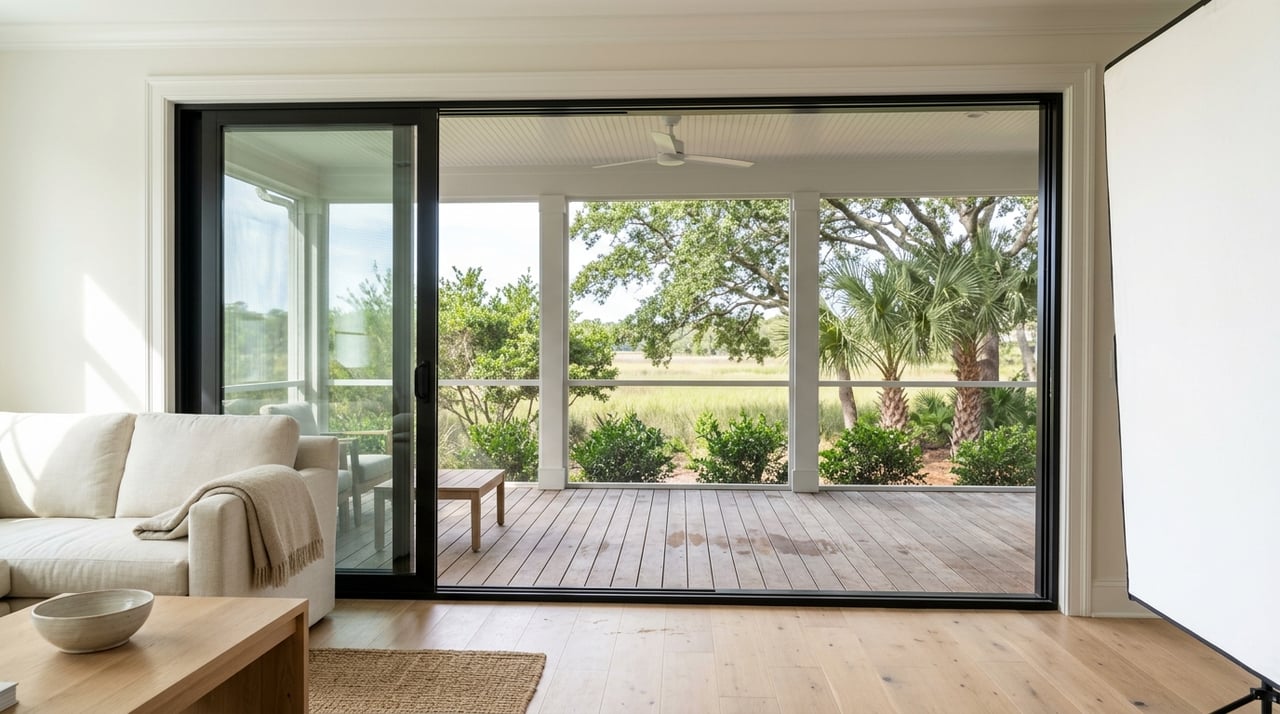
Thinking about buying on Seabrook Island? A coastal home here can offer beach access, natural beauty, and a slower pace, but it also comes with a few important details that can shape your decision from day one. If you want to understand how Seabrook Island living works before you buy, this guide will help you sort through home types, community access, club membership, and flood-risk planning. Let’s dive in.
Why Seabrook Island Stands Out
Seabrook Island is a private, gated barrier island in Charleston County, located about 28 miles from downtown Charleston. The island spans about 2,200 acres and includes nearly four miles of beaches, which gives it a distinctly coastal setting without feeling crowded.
What many buyers notice first is the island’s low-density, nature-oriented feel. Official community materials describe miles of beaches, marshes, maritime forest, and wildlife, along with a members-only club overlooking the Atlantic. If you are looking for coastal living with a quieter rhythm, that setting is a big part of the appeal.
Seabrook Island Home Types
Seabrook Island offers several main housing styles, and each one supports a different kind of lifestyle. The official real estate overview groups properties into villas, cottages, townhomes, and single-family homes.
Villas
Villas are multi-floor, condo-like residences. They can be a practical fit if you want a lower-maintenance ownership experience and easy access to key island areas.
On Seabrook, villas often cluster near Bohicket Marina, Ocean Winds, and the Racquet Club. If being close to activity and amenities matters to you, this is often a smart starting point.
Cottages
Cottages are detached, smaller stand-alone homes. They are also the most spread out across the island, which gives buyers more variety in setting and feel.
Depending on the location, a cottage may offer an oceanfront, golf-course, or wooded setting. If you want a stand-alone home with a smaller footprint, this category deserves a close look.
Townhomes
Townhomes share one or both side walls and often sit farther inland. Some are near beach areas, while others are closer to the tennis area.
For many buyers, townhomes can offer a middle ground between detached living and a villa-style setup. You may get a little more separation than a villa while still keeping a relatively manageable property profile.
Single-Family Homes
Single-family homes give you the broadest range of size, layout, and setting. If you are looking for a primary residence, a larger second home, or a property with more privacy, this may be the most flexible option.
Across the island, setting plays a major role in value and day-to-day enjoyment. Official materials highlight oceanfront, tidal creek, golf, marsh, and maritime-forest views, so it helps to decide early which backdrop matters most to you.
Neighborhood Setting Matters
On Seabrook Island, the right home is only part of the equation. The right location within the island can matter just as much as the floor plan.
The community includes about 2,600 residential properties and many distinct neighborhoods. Officially listed villa communities include Atrium Villas, Bay Pointe, Bohicket Marina, Courtside, Ocean Winds, Pelican Watch, Racquet Club, and Wedgewood. Cottage communities include Beach Club, Dune Crest, North Beach, Sealoft, Summerwind, and Treeloft. Townhome communities include Fairway One, Creek Watch, Horseshoe Cove, Salt Marsh, and Shelter Cove.
As you compare options, think about what you want your daily routine to feel like. You may prefer quick beach access, a golf-oriented setting, marsh views, or a more secluded wooded environment. Those differences can change how the same island feels from one neighborhood to the next.
Beach Access and Coastal Lifestyle
Seabrook Island has over ten primary beach access points, with access near the clubhouse and within neighborhood areas. That is an important detail to confirm when you tour homes, because convenient access can shape how often you actually use the beach.
North Beach stands out for a few reasons. Official materials note that it is dog-friendly and one of the few beaches in South Carolina that allows horseback riding on the beach. If those features matter to your lifestyle, location near that part of the island may deserve extra attention.
The coastal lifestyle here is also tied to the island’s natural features. Beaches, marshes, maritime forest, and wildlife are a core part of the ownership experience, so buyers who value a nature-first setting often connect strongly with Seabrook.
Club Membership and Amenity Access
One of the most important things to understand before you buy is that Seabrook Island Club and SIPOA are not the same entity. SIPOA states that the club is a private entity owned by its members and separate from the property owners association.
That distinction matters because buying on Seabrook means stepping into both a home purchase and a rule-governed community experience. You are not just choosing a property. You are also choosing how you want to use the island and its amenities.
What the club offers
Current club materials describe a wide range of amenities, including:
- Two golf courses
- 36 holes of championship golf
- The Racquet Club
- 15 Har-Tru tennis courts
- Pickleball courts
- The Equestrian Center
- The Lake House fitness center
- The Beach Club
- Dining
- Organized sporting and social events
What buyers should confirm
The club states that Seabrook Island is a gated private community and that a separate Club Amenity Card is required for golf, racquet sports, club restaurants, and the Oceanfront Beach Club. For renters, an Amenity Card is required to use the Lake House.
The club also states that all new property owners must purchase a Club Membership under SIPOA covenants. Before you move forward, make sure you understand what membership is required, what access comes with it, and what requires a separate amenity card.
SIPOA Rules and Ownership Responsibilities
SIPOA plays a major role in how the community functions. Its rules cover access, property use, environmental stewardship, and owner responsibilities for family members, tenants, visitors, and contractors.
If you value a well-managed community, this structure may feel like a benefit. At the same time, it is important to understand the rules before you buy so there are no surprises later.
Environmental protections
SIPOA emphasizes preservation of dunes, maritime forests, and wetlands. Its handbook says new development and alterations should preserve native vegetation and blend with existing natural features.
There is also an Architectural Review Committee. If you expect to renovate, update exterior features, or make structural changes, this is a key point to review early in your due diligence.
Rental planning
If you plan to rent out your property, pay close attention to how SIPOA defines and manages rentals. SIPOA distinguishes short-term tenants as leases under six months and requires rental guest passes through its gate-pass system and online rental portal.
That means rental use is not just about buyer preference or market demand. It also involves following the island’s established process for access and guest management.
Flood Risk and Insurance Planning
Flood due diligence should be part of every Seabrook Island purchase. Because the island is a barrier island, the Town of Seabrook Island says it is susceptible to flooding from the Atlantic Ocean, rivers and tributaries, storm surge, heavy rains, and high tides.
Charleston County identifies storm surge from Atlantic hurricanes as the greatest flood threat in the county. The county also keeps elevation certificates for new construction and substantially improved structures in Seabrook Island, which can be helpful during your review process.
Flood zones and timing
SIPOA’s flood-zone guide says FEMA flood maps went into effect on January 29, 2021. Buyers may encounter flood-zone categories including V, VE, Shaded X, and X.
The Town of Seabrook Island also notes that flood insurance policies generally have a 30-day waiting period. That is one reason to start insurance conversations early rather than treating them as a last-minute closing task.
Community Rating System discount
The town says Seabrook participates in FEMA’s Community Rating System as rate class 5, which corresponds to a 25% discount. Even with that benefit, flood insurance cost and elevation review should still be part of your offer decision.
For many buyers, this is where local guidance matters most. A beautiful coastal property can still be the right fit, but you want clear eyes on flood zone, elevation details, insurance timing, and how those factors affect long-term ownership costs.
How to Tour Seabrook Island Smartly
A showing on Seabrook Island should do more than help you judge finishes and square footage. It should help you understand how the island works in real life.
The real estate office says tours can be scheduled through its office, which is currently open Monday through Friday from 9 AM to 5 PM, Saturday from 10 AM to 4 PM, and Sunday from 11 AM to 4 PM. Amenity-card requests should be made 48 hours in advance.
A practical tour checklist
When you visit, try to experience the island the way you would actually live there:
- Drive through the gate and confirm how owner, guest, and renter access works
- Walk the nearest beach access point
- Compare a golf-adjacent area with a wooded or marsh setting
- Ask which amenities are included and which require separate cards or membership
- Review the home’s location in relation to the beach, club areas, and daily routes
This kind of tour can tell you more than an online listing ever will. On a barrier island, access, setting, and community structure are part of the property itself.
Key Questions to Ask Before You Buy
As you narrow your options, most Seabrook Island decisions come back to four core questions:
- What home style best fits your lifestyle?
- Which part of the island gives you the setting you want?
- What membership or amenity cards will you need?
- How much flood-risk due diligence should you complete before closing?
If you can answer those questions clearly, you will be in a much stronger position to buy with confidence. That is especially true if you are relocating, buying a second home, or comparing Seabrook with other Charleston-area coastal options.
Seabrook Island can be a wonderful fit if you want private coastal living, natural beauty, and a thoughtfully managed community. The key is making sure the property, the location, and the ownership structure all support the way you want to live. If you want help comparing neighborhoods, understanding the buying process, or planning a smart tour, Brittany Shropshier would love to help you take the next step.
FAQs
What types of homes can you buy on Seabrook Island?
- You can find villas, cottages, townhomes, and single-family homes, each with different maintenance levels, layouts, and location patterns across the island.
What should buyers know about Seabrook Island club membership?
- Current club materials state that all new property owners must purchase a Club Membership, and separate Amenity Cards are required for certain facilities such as golf, racquet sports, club restaurants, and the Oceanfront Beach Club.
What is SIPOA on Seabrook Island?
- SIPOA is the property owners association, and it is separate from Seabrook Island Club. SIPOA manages community rules, access procedures, environmental standards, and owner responsibilities.
What flood-risk checks matter when buying on Seabrook Island?
- Buyers should review flood zone, elevation information where available, flood insurance timing, and how storm surge or tidal flooding could affect ownership costs and risk.
What should you do during a Seabrook Island home tour?
- You should test the island as you would use it day to day by reviewing gate access, walking beach access points, comparing settings, and confirming which amenities are included versus separately accessed.