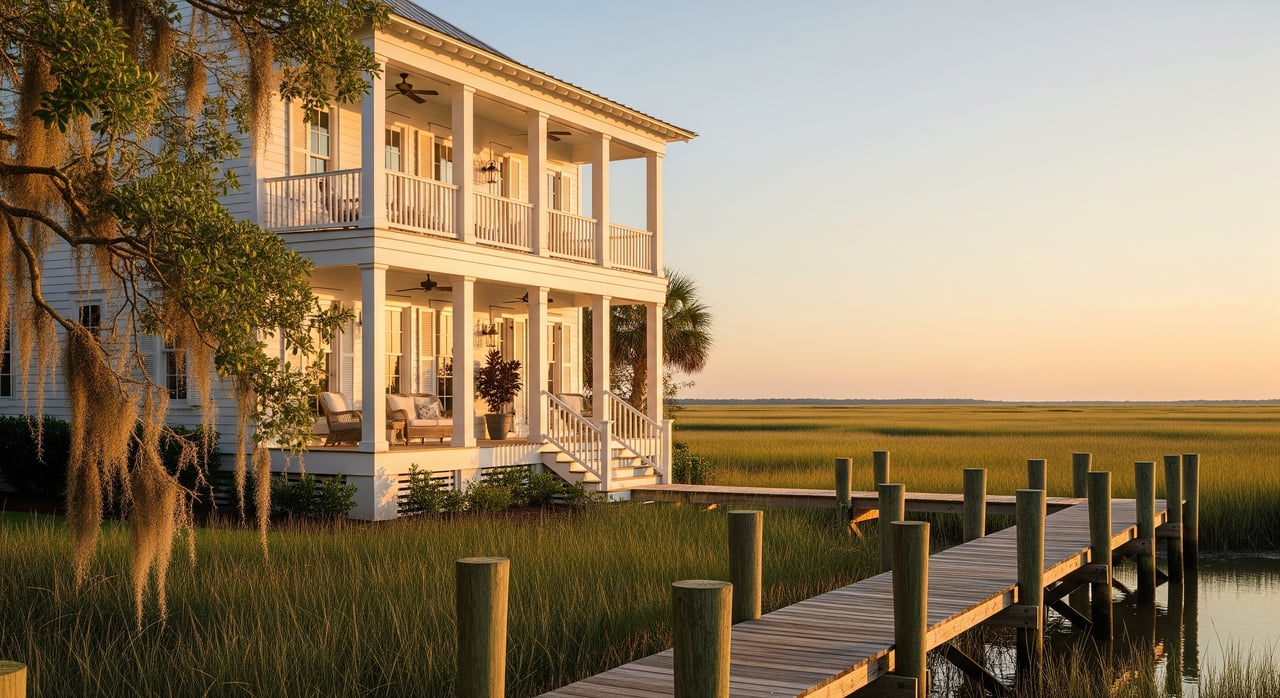
Buying your first home in Mount Pleasant can feel exciting and a little overwhelming. You want the coastal lifestyle, strong amenities, and access to Charleston, but you also want a clear plan. In this guide, you’ll learn how the local market works, what costs to expect, how HOAs and flood zones come into play, and the exact steps from pre-approval to closing. Let’s dive in.
Mount Pleasant market snapshot
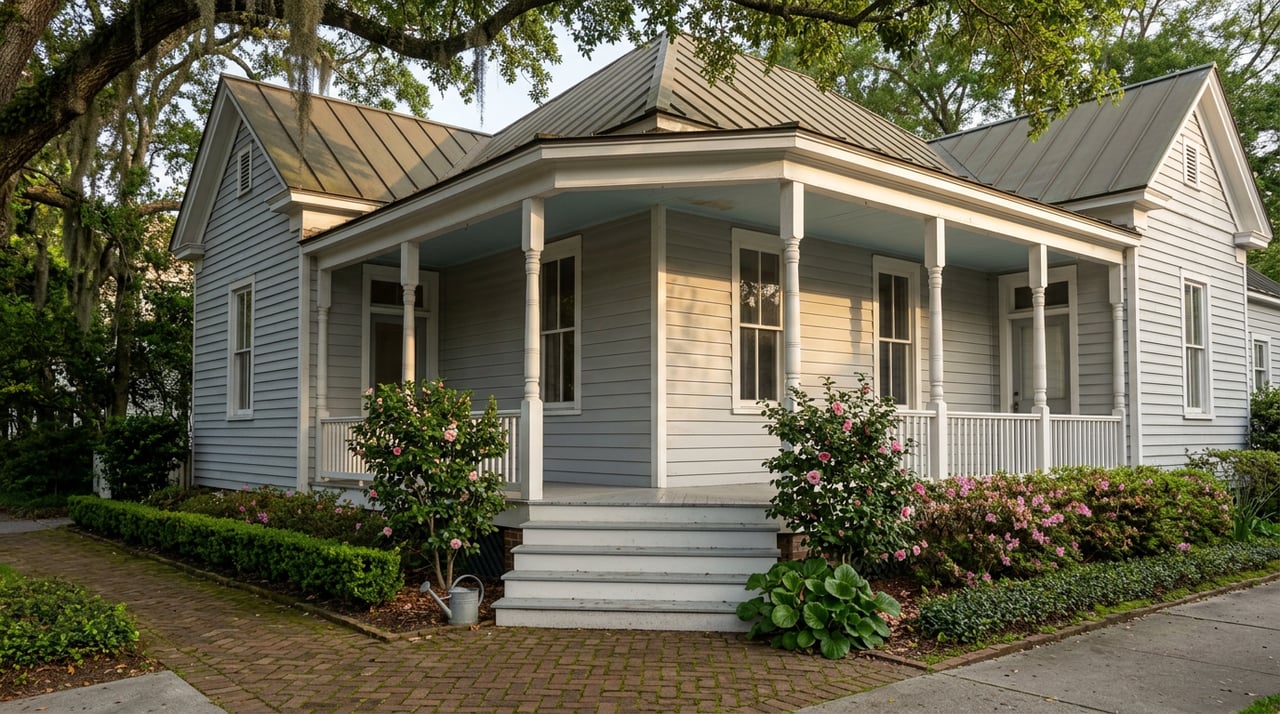
Mount Pleasant sits east of the Cooper River and combines historic charm with planned communities, townhomes, condos, and waterfront options. Prices and competition often run higher than Charleston County and state averages, and inventory can shift with seasons and interest rates. As a first-time buyer, you may compete with move-up buyers and relocators.
You’ll see different sub-markets across Old Village and Shem Creek, amenity-rich communities like Park West, Dunes West, and Rivertowne, and newer construction further inland. Your best move is to define your must-haves early, align your budget with real monthly costs, and be ready with a pre-approval when the right home hits the market.
Your step-by-step roadmap
1) Get pre-approved and set your budget (2–8 weeks)
Speak with a local lender and secure a written pre-approval. Lenders in our area factor coastal insurance, flood coverage when needed, and HOA dues into your debt-to-income ratio. Map out your full monthly picture, including mortgage, taxes, homeowners insurance, flood insurance if applicable, and HOA/POA dues.
Start researching neighborhoods with a focus on commute corridors, school zones, HOA rules, and flood risk. The Charleston County GIS property maps and the FEMA Flood Map Service Center are helpful tools. If you’re exploring renovations or new construction, check the Town of Mount Pleasant Planning & Development page for local permitting guidance.
2) Tour homes and refine your target list
Visit homes in several pockets to compare drive times, amenities, and HOA expectations. Sellers in competitive segments often expect a pre-approval letter with your offer. For new construction, builder contracts can require different deposits and timelines, so plan for a longer horizon.
As you narrow choices, collect HOA information and initial insurance quotes. If the home is in a flood zone, ask whether an elevation certificate is available or needed. This early work prevents surprises later.
3) Make your offer and negotiate (0–14 days)
Your offer will be written using standard South Carolina forms and will typically include contingencies for financing, inspection, title, HOA document review, and appraisal. Earnest money is common and is held in escrow. Your negotiation can include price, closing date, repair requests, and closing cost credits depending on conditions and seller preferences.
4) From contract to closing (about 30–45 days)
- Inspections: General inspection plus any coastal or property-specific inspections (pest/termite, HVAC, septic if applicable). The inspection window often runs 7–10 days.
- Appraisal: Ordered by your lender after the contract is signed. Timing is commonly 7–21 days.
- Loan underwriting: Respond quickly to lender requests to keep things on track.
- HOA/POA review: Read CC&Rs, rules, insurance coverage, budgets, and meeting minutes. Confirm any transfer fees and rental rules.
- Final walk-through and closing: Walk through 24–72 hours before closing. You’ll sign with a local closing attorney or settlement office and wire funds per instructions.
Local note: Historic district homes or properties in certain flood zones may require extra documentation or permits. New construction closings can run 45–180 days or more, depending on build stage.
What it really costs to buy here
One-time costs at closing
- Earnest money deposit: Often 1%–2% of the price, held in escrow
- Inspections: Roughly $300–$1,200 depending on scope and specialty needs
- Appraisal: Commonly $400–$800, varies by property
- Loan fees: Origination, underwriting, and rate-lock fees vary by lender; review your Loan Estimate
- Title search and title insurance: Ask your closing attorney for estimates
- Recording and county fees: Confirm with Charleston County offices
- HOA/POA transfer or disclosure fees: Amounts vary by community
Ask your lender and closing attorney for itemized estimates early. The Charleston County offices and the Register of Deeds can provide current fee schedules.
Monthly and recurring costs
- Mortgage principal and interest
- Property taxes
- Homeowners insurance; coastal features and wind mitigation can affect premiums
- Flood insurance if required by your lender or desired for risk management
- HOA/POA dues
- Utilities (many homes are served by the Charleston Water System), trash, and stormwater fees
- Maintenance reserves, especially for exterior elements in humid, salt-air conditions
Local tip: Flood insurance premiums depend on elevation, foundation type, and flood zone. Even when a lender does not require flood insurance, some buyers choose a policy as a precaution.
HOA and POA essentials
HOAs and POAs are common in Mount Pleasant, especially in planned communities. Before you commit, request and read these items:
- CC&Rs, bylaws, and rules
- Budgets, reserve studies, and recent financials
- Board meeting minutes from the past 1–2 years
- Master insurance policy and coverage limits
- Plans for capital projects or special assessments
- Architectural review processes and timelines
- Rental policies, including short-term rental rules and any caps
Amenity-rich neighborhoods often charge higher dues but include pools, fitness centers, and community spaces. Condo associations may include exterior maintenance and some insurance in their dues. If you plan to rent short-term, verify both HOA rules and the town’s ordinances. Start with Town code enforcement and short-term rental rules to understand permitting and compliance.
Commute and location tradeoffs
Most Mount Pleasant commutes depend on the Arthur Ravenel Jr. Bridge and the US‑17 corridor for downtown access. I‑526 connects to North Charleston, the airport, and I‑26. Expect heavier inbound traffic in the morning and outbound in the evening. Communities closer to the Ravenel Bridge usually shorten the downtown drive but tend to command higher prices.
If your job is near North Charleston or the airport, proximity to I‑526 can be a time-saver. For transit options and park-and-ride updates, check CARTA routes and schedules. For construction updates and traffic planning, review SCDOT traffic and projects.
Flood, insurance, and permits
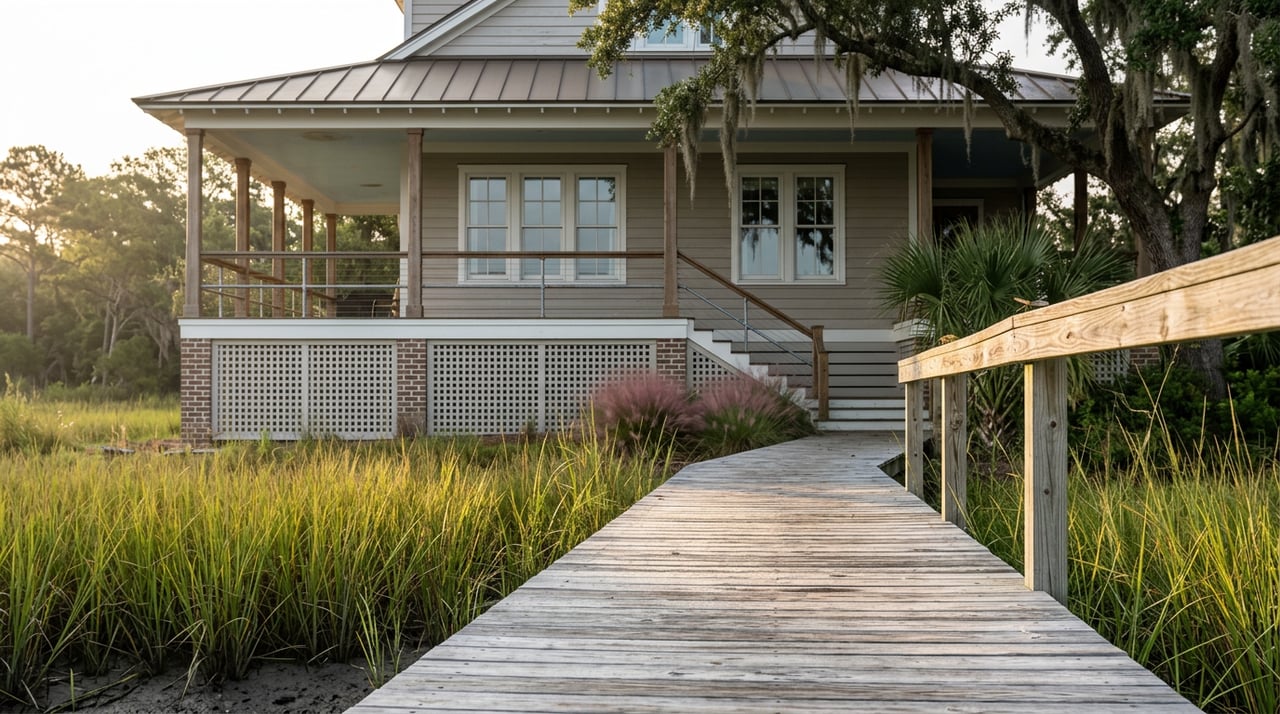
Flood risk varies block by block. Always confirm the property’s flood zone using the FEMA Flood Map Service Center and consider requesting an elevation certificate if needed. Ask insurers for both NFIP and private quotes early in your process, and ask about any Community Rating System discount.
If you plan renovations or exterior changes, review local code requirements, design review processes, and wind and elevation standards with the Town of Mount Pleasant Planning & Development. For historic properties, check whether additional approvals apply.
Utilities and schools
Many homes in Mount Pleasant are served by the Charleston Water System. Some outlying or older properties may use septic, so verify connections during due diligence. Confirm trash, recycling, and stormwater fees with the town.
Public schools fall under the Charleston County School District. School zones can change, so verify current boundaries and any magnet or choice program details directly with the Charleston County School District.
Local checklist you can use
- Financing
- Get a written pre-approval from a local lender
- Build a budget with mortgage, taxes, insurance, flood, and HOA dues
- Request a Loan Estimate and title fee quotes
- Neighborhood fit
- Drive peak-hour routes to your workplace
- Check flood zone and ask about elevation certificates
- Review HOA rules, dues, and upcoming assessments
- Confirm school assignments with the district
- Note proximity to grocery, medical, and parks
- Due diligence timeline
- General inspection plus termite/pest; coastal-specific checks as needed
- Appraisal ordered by your lender
- Read HOA documents and master insurance coverage
- Verify utilities, trash, and stormwater fees
- Risk and insurance
- Get homeowners and flood insurance quotes early
- Ask about wind mitigation features and discounts
Ready to get started?
Your first home in Mount Pleasant should feel like a confident, well-planned step. I’ll guide you through pre-approval, neighborhood choices, HOA and flood reviews, and a smooth closing timeline. If you’re ready for a hospitality-first experience backed by strong local knowledge, let’s talk. Connect with me through Brittany Shropshier to start your search with clarity.
FAQs
How long does it take to close on a Mount Pleasant home?
- Most conventional purchases close in about 30–45 days after the offer is accepted, depending on lender processing, appraisal timing, and contingencies. New construction often takes longer.
How much should a first-time buyer budget for closing costs in Mount Pleasant?
- Plan for several percent of the purchase price for one-time closing costs, plus earnest money. Ask your lender and closing attorney for detailed, property-specific estimates.
Do I need flood insurance to buy in Mount Pleasant?
- If the home is in a FEMA high-risk flood zone and you use a mortgage, flood insurance is usually required. Even outside high-risk zones, consider a quote to understand your risk and options.
What HOA issues should first-time buyers watch for in Mount Pleasant?
- Review rental restrictions, special assessments, reserve funding, pending litigation, and architectural rules. Read the full HOA packet, financials, and recent meeting minutes.
Which areas shorten the commute to downtown Charleston?
- Neighborhoods closer to the Ravenel Bridge and US‑17 typically offer shorter downtown commutes but can be pricier. Homes near I‑526 can favor access to North Charleston and airport jobs.
What inspections are smart for coastal homes in Mount Pleasant?
- In addition to a general inspection, consider termite/pest, HVAC, and, when relevant, seawall or shoreline checks. Ask about elevation certificates and corrosion risks in salt-air environments.