Thinking about selling your Johns Island home but not sure when to list, what to fix, or how to set the right price? You are not alone. Coastal properties come with unique considerations, from flood zones to docks and septic systems, and timing can make a meaningful difference in your results. In this guide, you will learn how to time your sale, prep with confidence, and price based on Johns Island’s micro‑locations so you can launch with clarity. Let’s dive in.
When to list on Johns Island
Spring is your strongest window. Buyer activity in the Charleston area typically builds from late winter into spring, making March through May a high‑visibility time to hit the market. If you can complete prep during winter and launch in late winter or early spring, you will usually see more showings.
Early fall can deliver a smaller bump. There is often a modest uptick in early fall. Late fall and early winter can work for motivated buyers and some second‑home shoppers, though overall traffic is lower.
Summer and holidays are slower. The hottest summer months and year‑end holidays tend to see reduced buyer activity. If you need to sell during a slower period, focus on sharp pricing and standout marketing to reach your best buyers.
For current numbers, your most accurate source is the Charleston Trident MLS via a tailored Comparative Market Analysis. Regional context from the Charleston Trident Association of REALTORS® and the South Carolina Association of REALTORS® can help, but use local MLS data to guide your timing and list strategy.
Pre‑market prep that matters most
Johns Island’s coastal climate and mix of property types mean certain items deserve priority attention. Addressing them early can boost buyer confidence and protect your contract once you are under offer.
High‑impact repair priorities
- Roof and exterior cladding. Salt and humidity speed wear. If your roof is near end of life, consider repair or replacement and keep receipts.
- HVAC and plumbing. Confirm systems are working and share service records where possible.
- Termite and rot risk. A pre‑listing WDO report from a licensed inspector is smart in the lowcountry climate.
- Moisture and crawlspace. Mitigate visible moisture or mold and document remediation.
- Docks and bulkheads. For waterfront homes, buyers will assess structure and permits. Get issues evaluated or repaired in advance.
- Septic vs sewer. Many homes rely on onsite systems. Provide inspection reports and maintenance history. If public sewer is available or a lateral exists, document that.
- Flood and insurance readiness. Know your flood zone and obtain an elevation certificate if available. Buyers look at FIRM designations and potential premiums.
Smart pre‑listing inspections and documents
- General home inspection and WDO inspection.
- Septic inspection/report if applicable.
- Elevation certificate and FEMA flood map printout for your property.
- Current survey or plat, plus dock location and setbacks if waterfront.
- Utility records, HVAC service, roof and renovation receipts.
- HOA or POA documents and CCRs if you are in an association.
Disclosures and permits to verify
South Carolina and Charleston County disclosures must be complete and accurate. Be clear about permit history and any unpermitted work. Coastal improvements like docks, bulkheads, or shoreline stabilization often require coordination with local and state agencies. Wetlands, marsh buffers, and tidal areas can affect permitted use and future access, so disclose known conditions.
Before you make changes, consult:
- Charleston County Building and Permitting Department for zoning and building permits.
- South Carolina DHEC for onsite wastewater and septic guidance.
- South Carolina OCRM for coastal permits and regulations.
- U.S. Army Corps of Engineers for certain shoreline and dock work.
- FEMA Flood Map Service Center and Charleston County floodplain maps for current flood zones.
Photos, staging, and marketing
Great presentation attracts the right buyers faster, especially for waterfront and marsh‑view homes.
What to photograph
- Hire a professional photographer with coastal experience and drone capability.
- Capture living spaces, kitchen, primary suite, porches and decks, marsh or water views, dock or bulkhead, lot and driveway, and street approach.
- Use twilight images to highlight water and outdoor living.
- Include a floor plan and a virtual tour to support out‑of‑town buyers.
How to stage for the lowcountry buyer
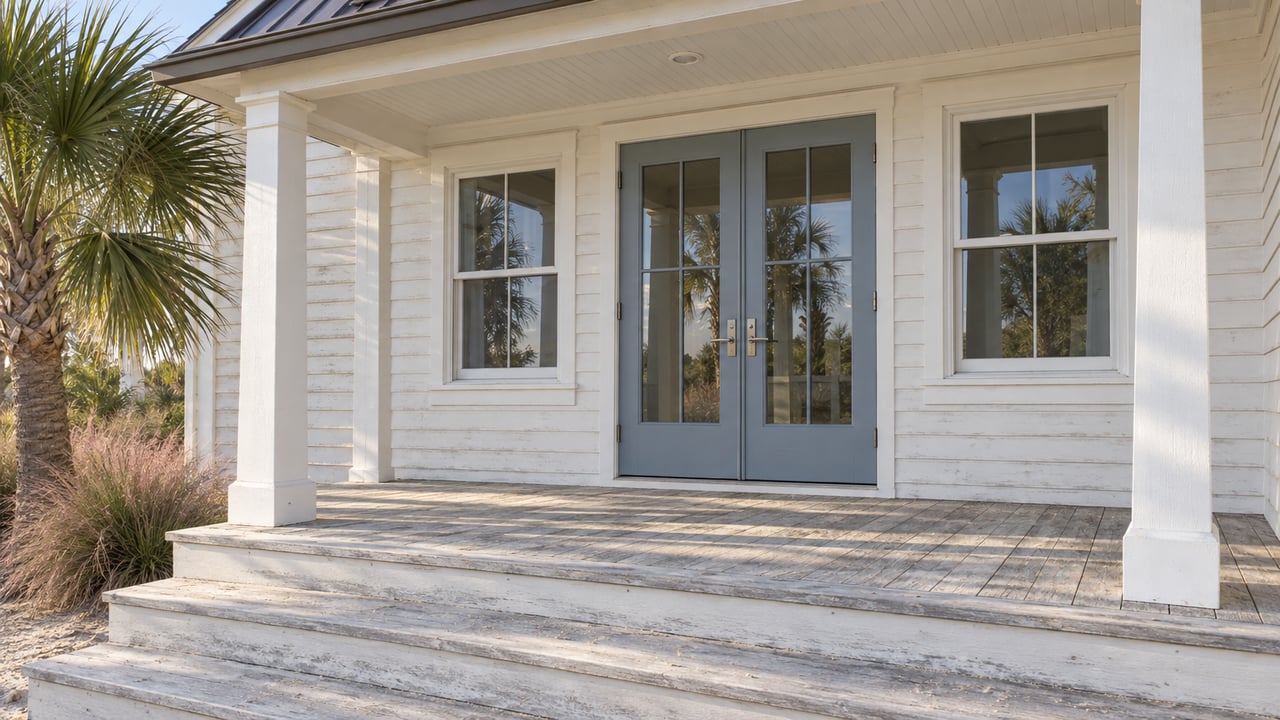
- Emphasize outdoor living. Stage porches and screened rooms with comfortable seating.
- Keep decor light and neutral. Choose clean, airy palettes and natural textures.
- Declutter and depersonalize. Remove excess items and personal photos.
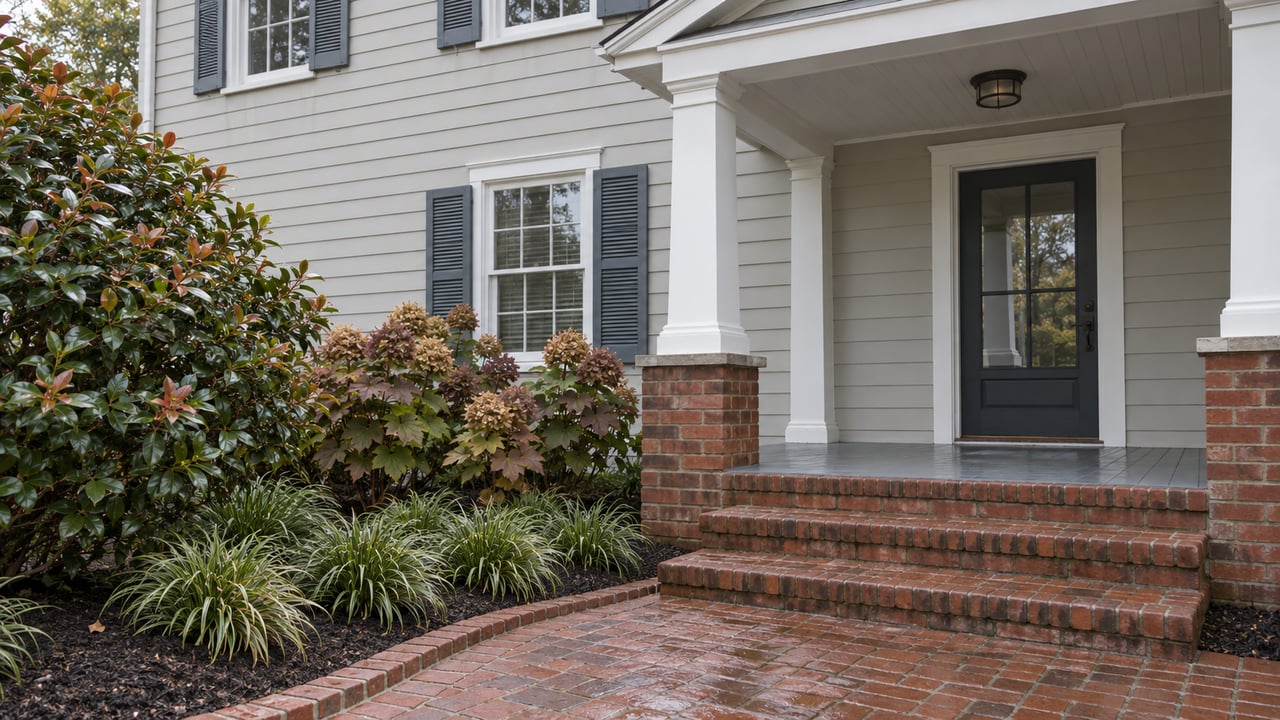
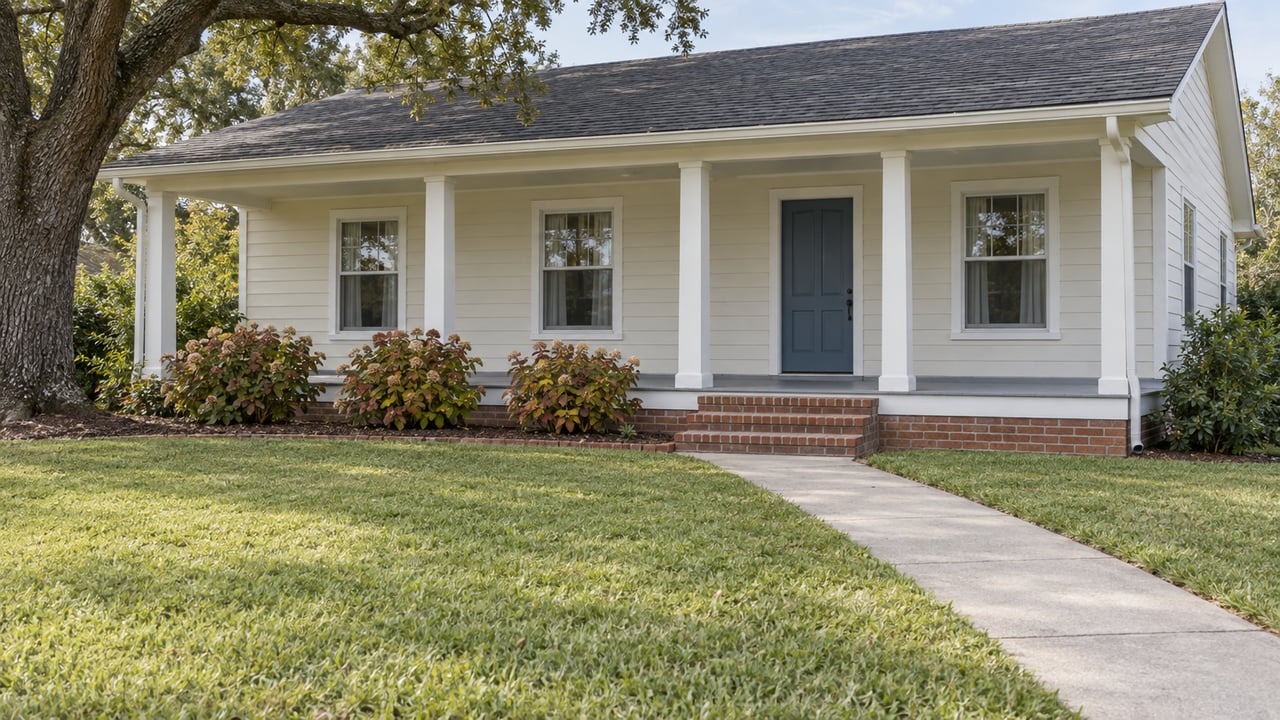
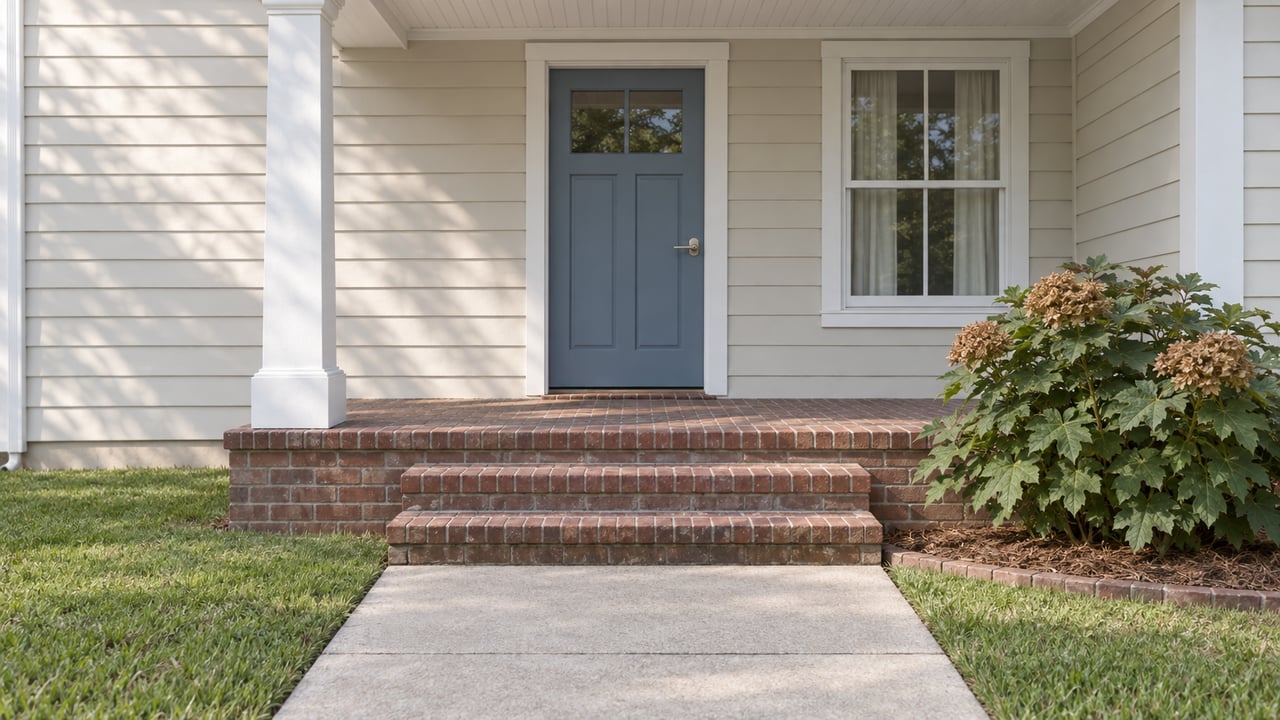
- Boost curb appeal with trimmed landscaping and pressure‑washed pathways.
- On a budget, prioritize the living room, kitchen, primary bedroom, and main outdoor space.
Key details to highlight
- Waterfront type and access, plus dock and bulkhead condition.
- Lot size and usable yard.
- Recent upgrades and resilient features.
- Distance to Kiawah, Seabrook, and downtown Charleston, and access to marinas and everyday shopping.
- Flood zone information and insurance context in your buyer packet to reduce surprises.
Pricing by micro‑location
On Johns Island, small location differences can have a big impact on value. A precise, locally informed CMA is essential.
What moves price on the island
- Waterfront type. Deep‑water frontage with a usable dock commands the strongest premium. Tidal creek access also carries strong value, while marsh‑view without access is generally a smaller premium.
- Elevation and flood zone. Properties above base flood elevation or with favorable designations tend to draw more demand and can reduce insurance costs.
- Lot size and usability. Larger, buildable lots often see premiums beyond house square footage.
- Access and noise. Homes near major roads like Maybank Highway can price differently from interior streets.
- Proximity to amenities. Near marinas, bridges to Kiawah and Seabrook, everyday shopping, and schools often increases demand.
- Sewer versus septic. Sewer connections can broaden your buyer pool and support expansion potential.
- Age and resilient construction. Updated systems, elevated foundations, impact windows, and similar features reduce perceived risk.
Building a better CMA
- Work with very recent closed sales and a tight radius, prioritizing the same waterfront status, elevation, dock condition, and septic or sewer status.
- Adjust for lot size, view quality, permitting, and age or condition rather than relying only on price per square foot.
- Favor comps within the same micro‑neighborhood or along the same creek or river segment for accuracy.
- Use active and pending listings to gauge competition, but anchor value in closed comparable sales.
- When comps are scarce, engage your agent to consult local appraisers and lenders to support pricing.
Appraisal and lending considerations
Lenders and appraisers will scrutinize flood exposure, elevation certificates, bulkheads or seawalls, dock permits, and the condition of shoreline structures. Deferred maintenance or unpermitted shoreline features can threaten financing. Addressing these items and documenting permits and repairs before listing helps protect your timeline.
A 3–6 month seller timeline
Use this plan to move from prepping to launching with less stress. Adjust dates to your goals.
3–6 months before listing
- Gather your survey or plat, deed, tax info, and renovation receipts.
- Schedule pre‑listing inspections: general, WDO, and septic if applicable. Obtain elevation and flood documentation.
- Start major repairs: roof, HVAC, structural, septic, shoreline items.
- Meet with a local listing agent to run a current CMA and map timing, pricing, staging, and photography.
1–2 months before listing
- Finish cosmetic updates and landscaping.
- Deep clean, declutter, and stage key rooms and outdoor areas.
- Book professional photography with drone and twilight shots. Prepare floor plans and a virtual tour.
- Assemble HOA documents, permit history, inspection reports, and title exceptions for buyer review.
2–4 weeks before listing
- Do a final walkthrough with your agent to verify market‑ready condition.
- Set price and listing terms based on the CMA and current competition.
- If desired, plan a compliant coming‑soon campaign per MLS rules.
- Confirm your open house and showing plan.
Listing week
- Launch on the MLS with full photo set, floor plan, and a complete property detail sheet, including flood zone and dock or permit notes.
- Activate online and local marketing, plus broker tours and open houses where appropriate.
Under contract to closing
- Share your seller packet early to streamline underwriting: inspections, surveys, elevation certificate, septic report, and permits.
- Respond quickly to inspection items, prioritizing repairs that affect financing, such as roof, HVAC, WDO, or septic issues.
Seller checklist
- Survey or plat, deed, and tax records.
- Pre‑listing general inspection and WDO report.
- Elevation certificate and FEMA flood map printout.
- Septic inspection and maintenance records or sewer documentation.
- Receipts and permits for roof, HVAC, electrical, plumbing, and renovations.
- HOA or POA documents and CCRs, plus recent meeting minutes if available.
- Photos and maintenance records for docks, bulkheads, and shoreline work.
- Staging and photography plan with contacts for photographer and drone pilot.
Your next steps
Selling on Johns Island rewards preparation. Focus on the right repairs, present your outdoor living and water access beautifully, and price with micro‑location precision. With a strong plan and local guidance, you can move from prepping to pending with confidence.
If you would like a tailored timeline, a data‑driven CMA, or help coordinating inspections and coastal documentation, reach out to me directly. I bring a hospitality‑first approach backed by professional marketing and local expertise. Let’s connect when you are ready to talk details with Brittany Shropshier.
FAQs
How does timing affect a Johns Island sale?
- Spring typically delivers the most buyer traffic, with a smaller early‑fall bump. If listing off‑peak, use sharp pricing and standout marketing.
What repairs should I tackle before listing?
- Prioritize roof, HVAC, WDO, moisture or crawlspace issues, septic, and any dock or bulkhead concerns, since these can impact financing and buyer confidence.
How do flood zones influence price and demand?
- Flood designations and elevation affect insurance costs and buyer pools. Provide an elevation certificate and flood map early to reduce uncertainty.
What marketing works best for waterfront homes?
- Professional photos with drone and twilight images, a floor plan, and a virtual tour, plus clear notes on water access, dock condition, and flood info.
How should I select comps for pricing?
- Use very recent sales within the same micro‑area and similar water access, elevation, lot size, and dock status, adjusting for condition and view quality.